Articles

Evidence-based guides to human IQ and feline intelligence, memory, and cognition.
Feline cognition topic hubExplore cat IQ, intelligence, and memory researchBrowse feline-cognition articles grouped by question.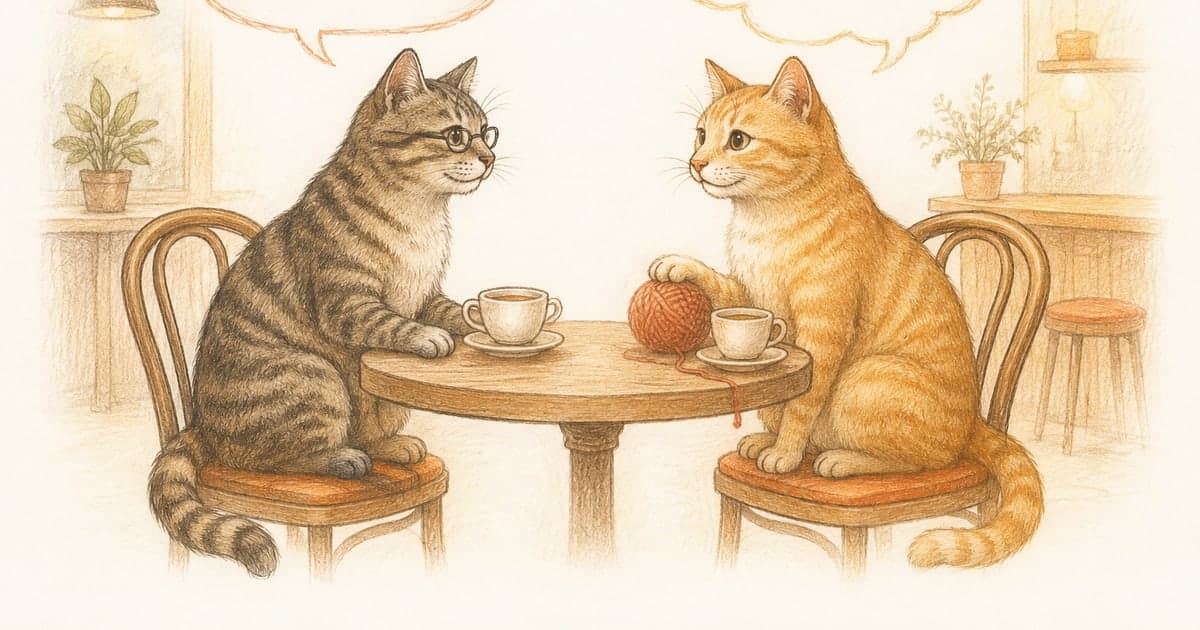
Does a 20-Point IQ Gap Really Make Conversation Impossible? The Origin and the Math
The claim that people 20 IQ points apart cannot hold a conversation traces back to a 1942 observation about leadership, later stretched far beyond it. On the IQ scale of mean 100 and SD 15, about 35% of random pairs and one in five sibling pairs differ by 20 or more.
2026-09-04
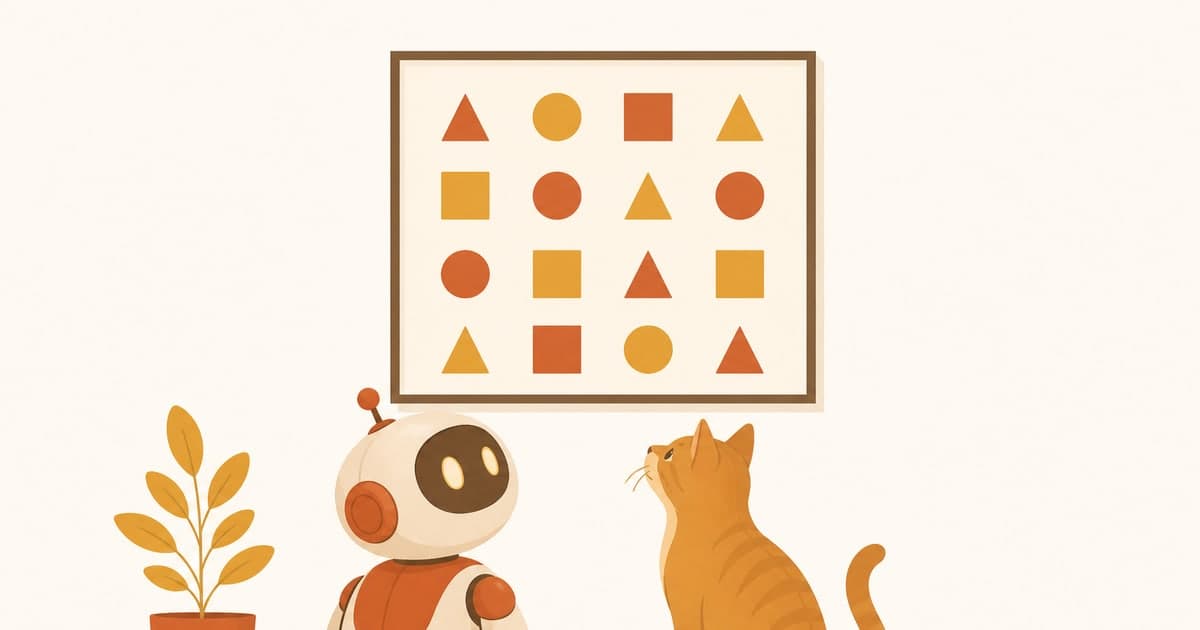
Does AI Have an IQ Over 130? What AI IQ Scores Mean and Where They Break Down
Headlines about an AI scoring an IQ of 136 come from giving a human Mensa-style test to a model. IQ is a relative score based on a human age cohort, and public tests can appear in training data, so AI scores do not mean what human IQ means. Here is the research and its limits.
2026-09-04

Does Relying on AI Make You Dumber? MIT's Cognitive Debt Study Through an IQ Lens
In an MIT Media Lab study, people who wrote essays with ChatGPT showed the weakest brain-network connectivity and often could not quote their own text. What cognitive debt means, the limits of a preprint, how it relates to IQ and fluid intelligence, and how to use AI wisely.
2026-09-04
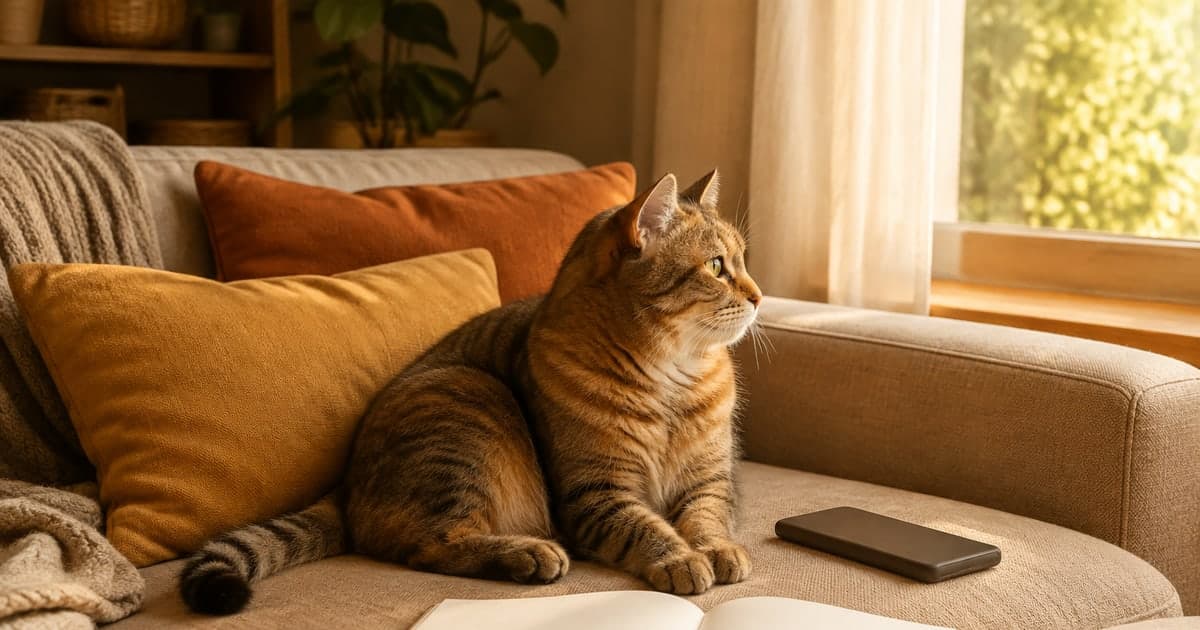
Does Your Phone Make You Dumber? Brain Rot and the Research on Cognition
Brain rot, the 2024 word of the year, describes mental exhaustion from overconsuming low-quality online content. From the experiment in which a phone on the desk lowers working memory and fluid intelligence scores to a meta-analysis linking digital device use with less cognitive decline in older adults, here is what the research says.
2026-09-04

Can AI Translate Cat Meows? What Meow-Decoding Research Really Shows
Cat translator apps and an AI said to classify meows with 95% accuracy are in the news. In peer-reviewed studies, people identified the context of a meow less than half the time, and AI could classify contexts but not words. What a meow contains, and what translation claims overstate.
2026-09-04

Do Cat Brains Age Like Ours? A 2026 Study's Cat-to-Human Age Conversion
A 2026 study reports that cat and human brains shrink along similar trajectories and that a 15-year-old cat corresponds to an 80-year-old person. How this differs from the seven-year rule, new findings that inflammation and body condition predict cognitive change, and what owners can do.
2026-09-04

Does a Cat Think of Its Owner as a Parent? Attachment Research
Do cats rely on owners like parents? A secure-base test with 70 kittens and 38 adult cats explains secure and insecure attachment—and the study's limits.
2026-08-30
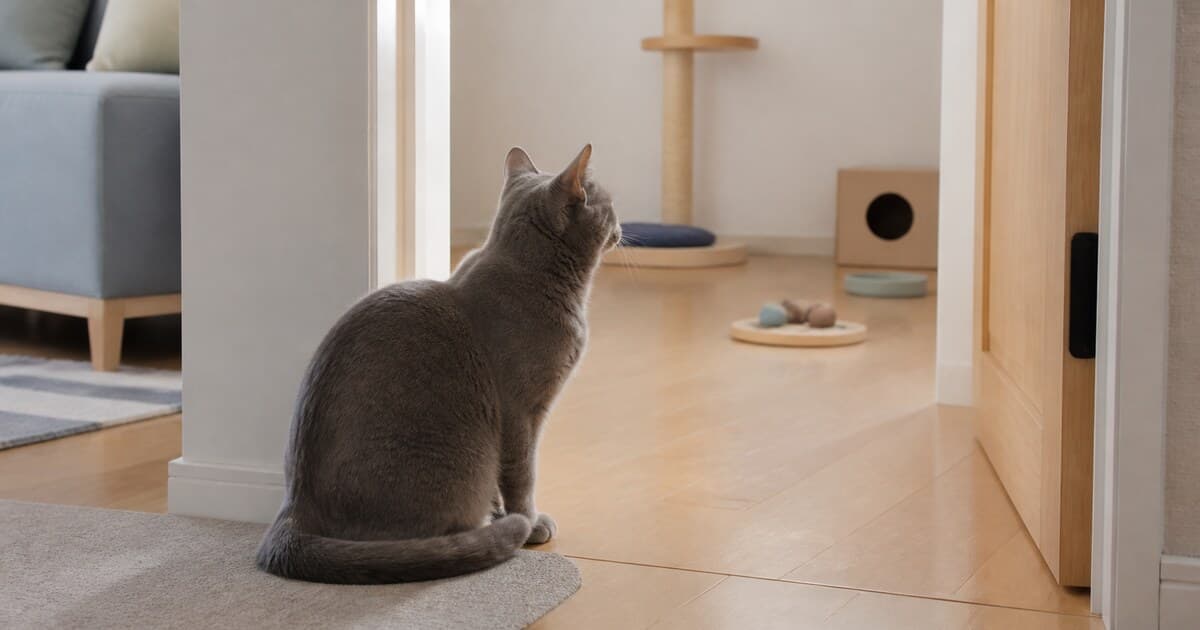
Do Cats Get Lonely When Left Alone? Separation-Related Problems
Can cats develop problems when left alone? A 223-cat survey found criteria in 13.45%, including vocalizing, house-soiling, destruction, and apathy.
2026-08-30

Do Cats Understand Death? Behavior After Companion Loss
How do eating, sleep, play, and searching change after a cat loses a companion? A survey of 452 surviving cats—and why it cannot prove grief itself.
2026-08-30

Do Cats Dream? Research on REM Sleep and Sleep Deprivation
Do twitching paws mean a cat is dreaming? We examine feline REM and non-REM sleep, an eight-cat deprivation study, and what dream content cannot tell us.
2026-08-30

Do Cats Ask Humans for Help? An Unsolvable-Task Experiment
Will a cat faced with unreachable food seek human help? A 75-cat solvable-versus-unsolvable task tested gaze alternation and sensitivity to human attention.
2026-08-30

Do Cats Understand Their Own Names? What the Experiments Show
Can cats tell their own name from other words? We explain the 2019 habituation study, the link between housemate names and faces, and why cats do not come when called.
2026-08-26
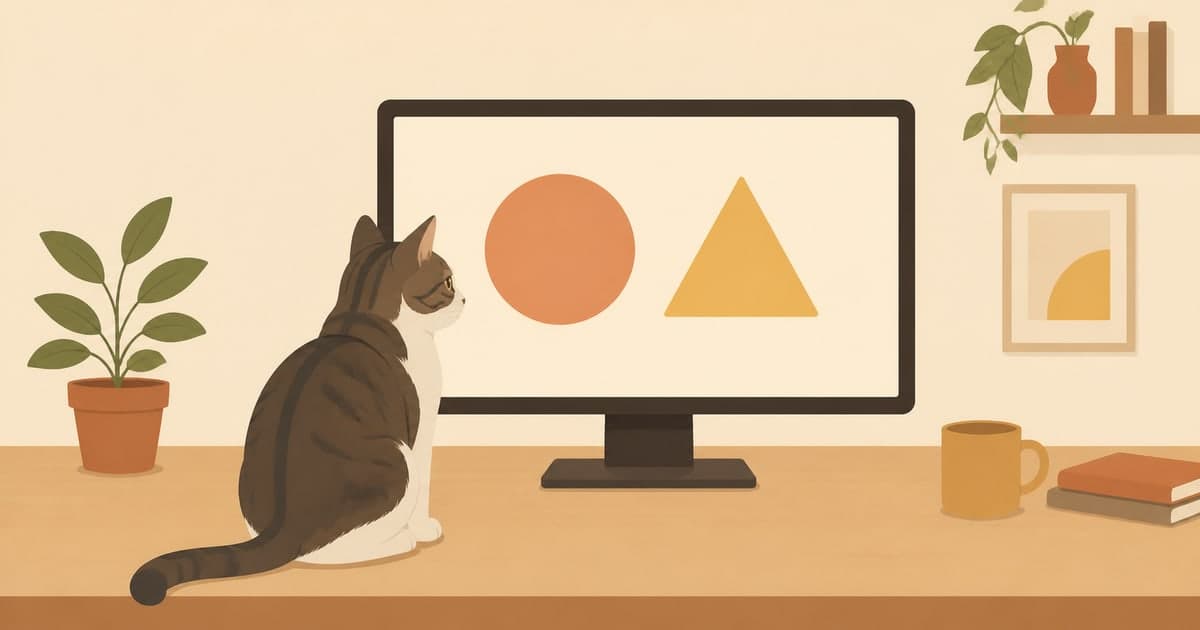
Do Cats Learn Human Words? An Experiment Pairing Words With Images
A 2024 experiment reported that cats link a spoken word to an image within seconds. We cover the procedure, the comparison with infants, home applications, and the limits.
2026-08-26
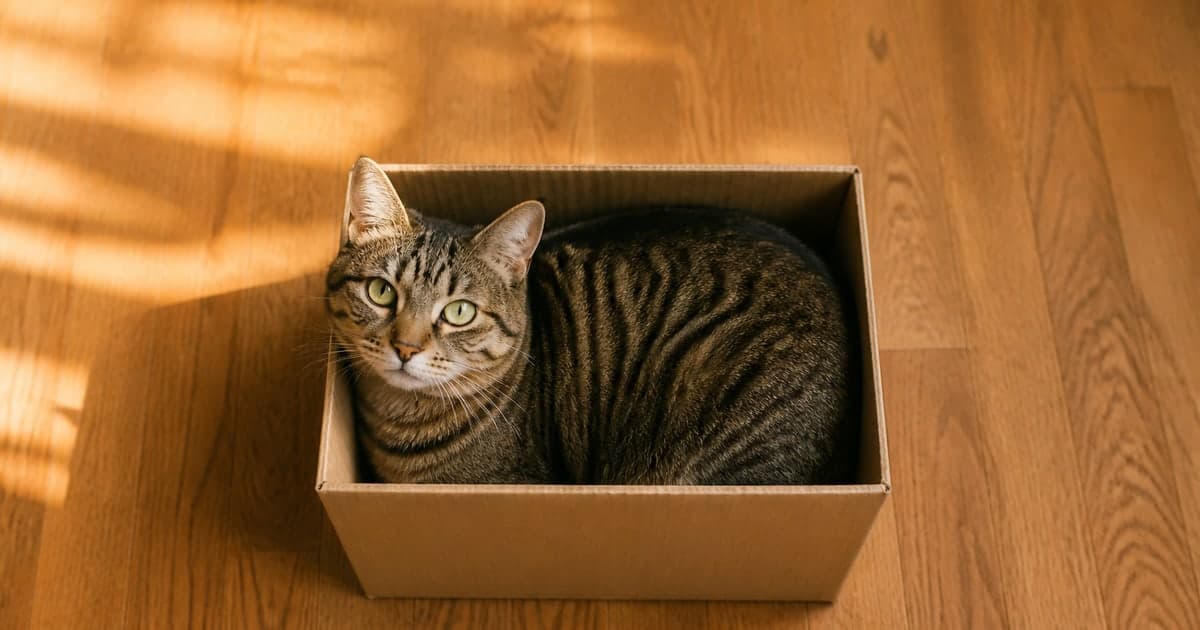
Why Do Cats Love Boxes? They Sit in Illusory Squares Too
Cats sit not only in real taped squares but in illusory ones with no drawn outline. We cover the citizen-science method, feline vision, and why boxes matter.
2026-08-26
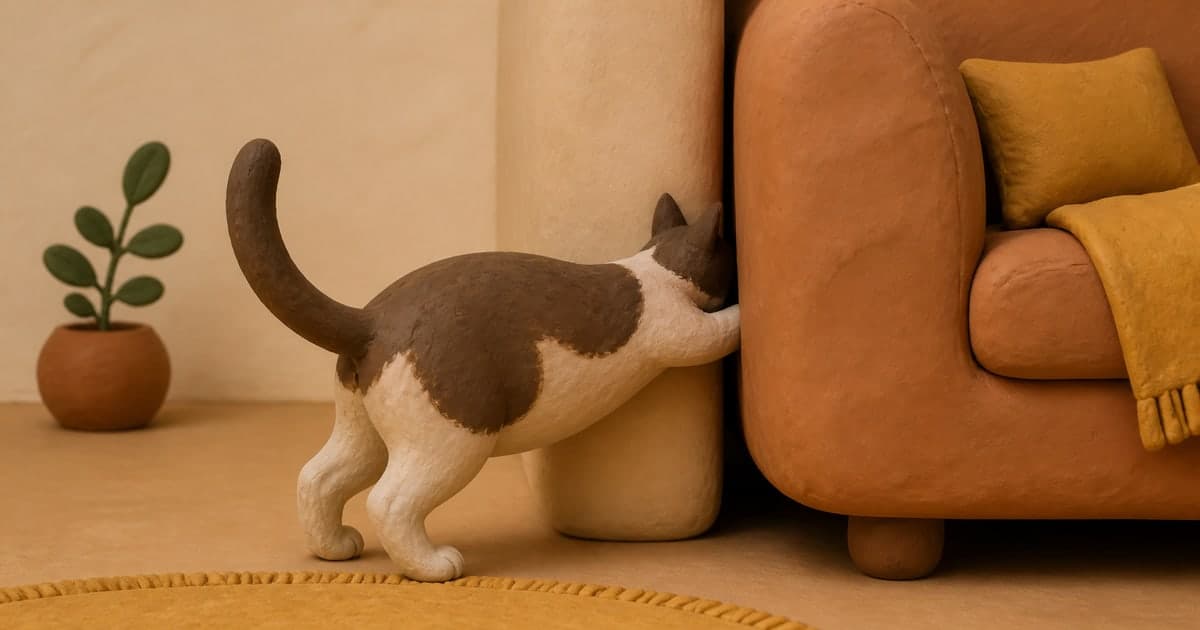
Do Cats Know Their Own Size? The Narrow-Opening Experiment
Do cats size themselves up before squeezing through a gap? A 2024 study with 30 cats varied the height and width of openings — here is what it means for body awareness and home safety.
2026-08-26
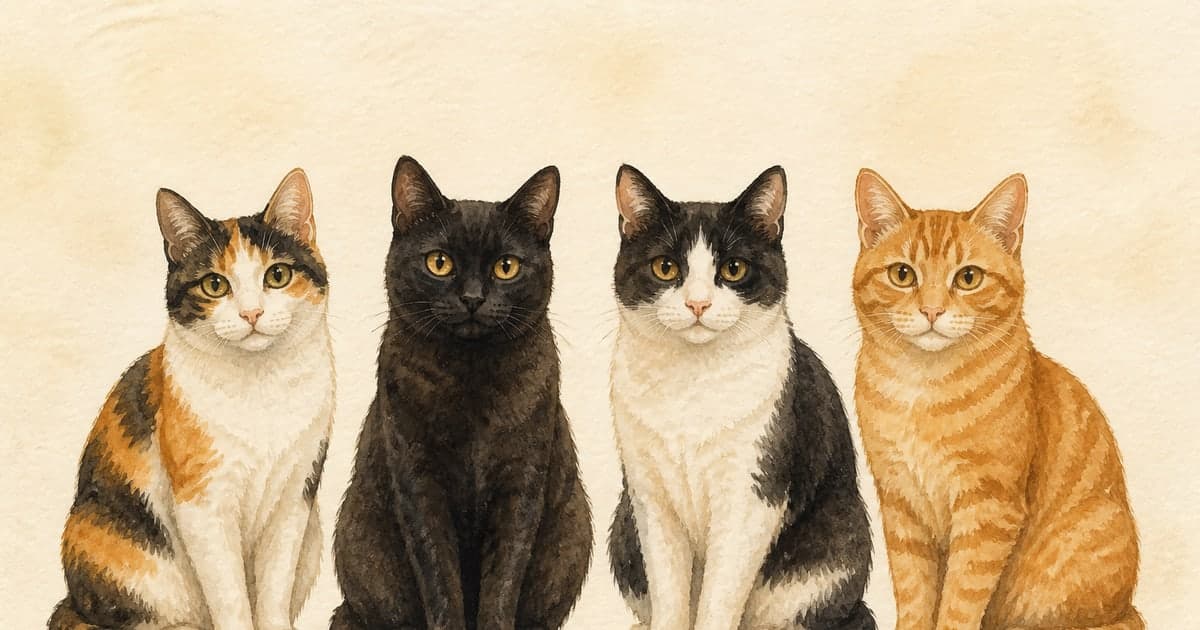
Does Coat Color Predict a Cat's Personality? Examining the Research
Calicos are feisty; black cats are affectionate. We test the coat-color folklore against a 1,274-owner survey and perception studies, and explain what really shapes personality.
2026-08-26
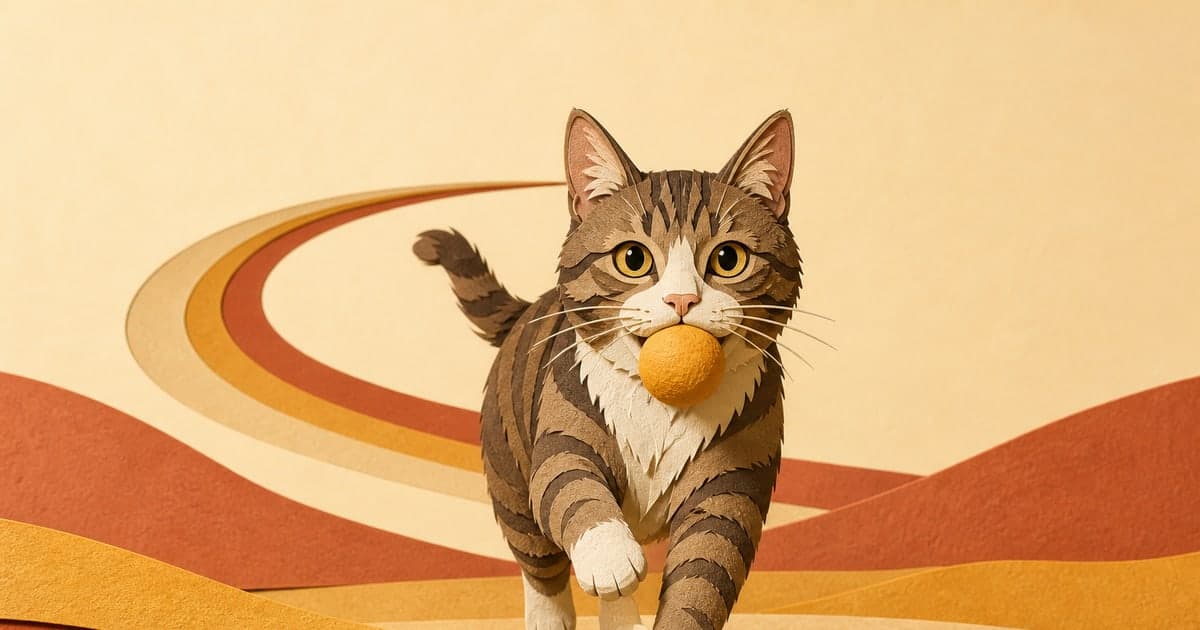
Is a Cat That Fetches Smart? What Research Says About Feline Fetch
A survey of 1,154 cats found over 94% began fetching with no training. We cover who leads the game, breed patterns, and how to keep the game going.
2026-08-26
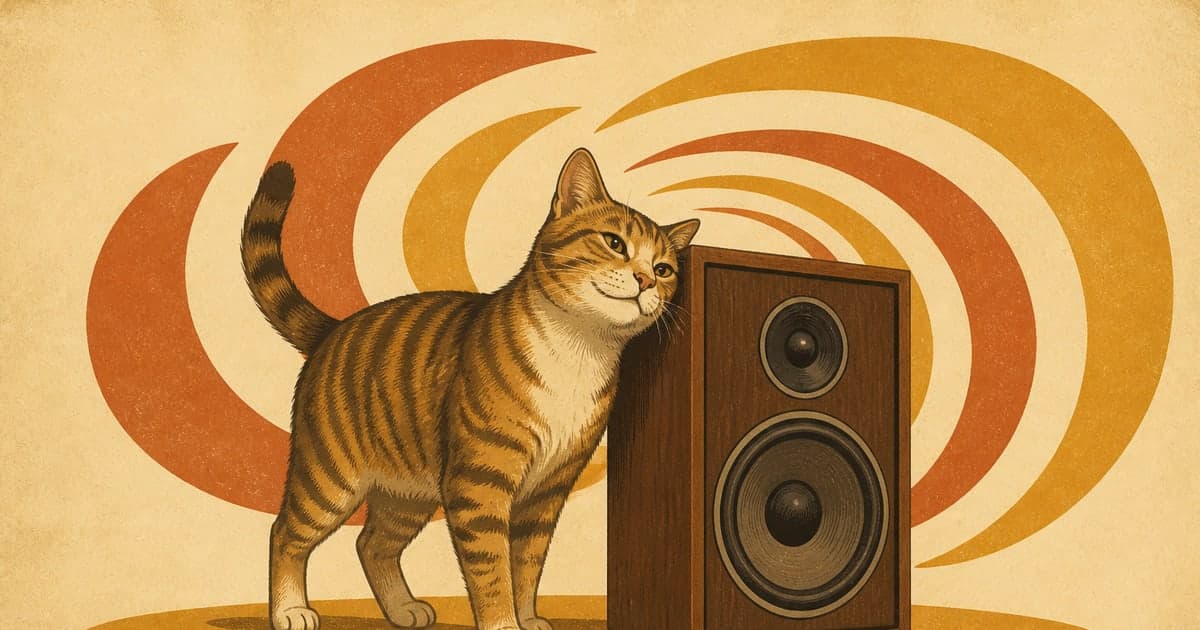
Do Cats Understand Music? An Experiment With Music Written for Cats
Cats ignored human music but approached music composed in their own frequency range and tempo. We cover the study and its application in veterinary clinics.
2026-08-26

Is the Feline Homing Instinct Real? Research on How Cats Find Their Way
Can a cat return home from kilometers away? We look at a 1922 release study, a circular-maze direction test, and GPS tracking of pet cats' actual ranges.
2026-08-26

Does Play Make Cats Smarter? Research on Feline Play and Hunting
Is feline play hunting practice? We cover the development of social and object play, the weak link to hunting success, and how to design play, drawing on a review paper.
2026-08-26

Does the Owner's Personality Affect the Cat? A Survey of 3,331 Owners
A study of 3,331 owners linked personality traits to cat behavior and health. We cover the neuroticism finding, the parallel with parenting, and what to do about it.
2026-08-26

5 Signs of a Smart Cat: What Research Says About Intelligent Behavior
What traits do smart cats show? We explain five behaviors from feline cognition research: name discrimination, location memory, human pointing cues, causal inference, and learning.
2026-08-25

Does Your Cat Remember You? Research on Voice, Face, and Scent
Does a cat really remember its owner? We examine studies of owner-voice discrimination, voice-face matching, tracking an unseen owner, and distinguishing familiar from unfamiliar human scent.
2026-08-25
How Is Feline Intelligence Measured? Methods and Limits
How researchers measure feline intelligence: why human IQ does not apply, how memory, social cognition, and object understanding are tested, and where motivation and setting limit conclusions.
2026-08-25
What Is a Cat's Average IQ? Examining the 'Two- to Three-Year-Old' Claim
Is there an average IQ for cats, and does the familiar 'as smart as a two- or three-year-old' claim have a basis? We trace where the number comes from using neuron-count estimates and a cognition review.
2026-08-25
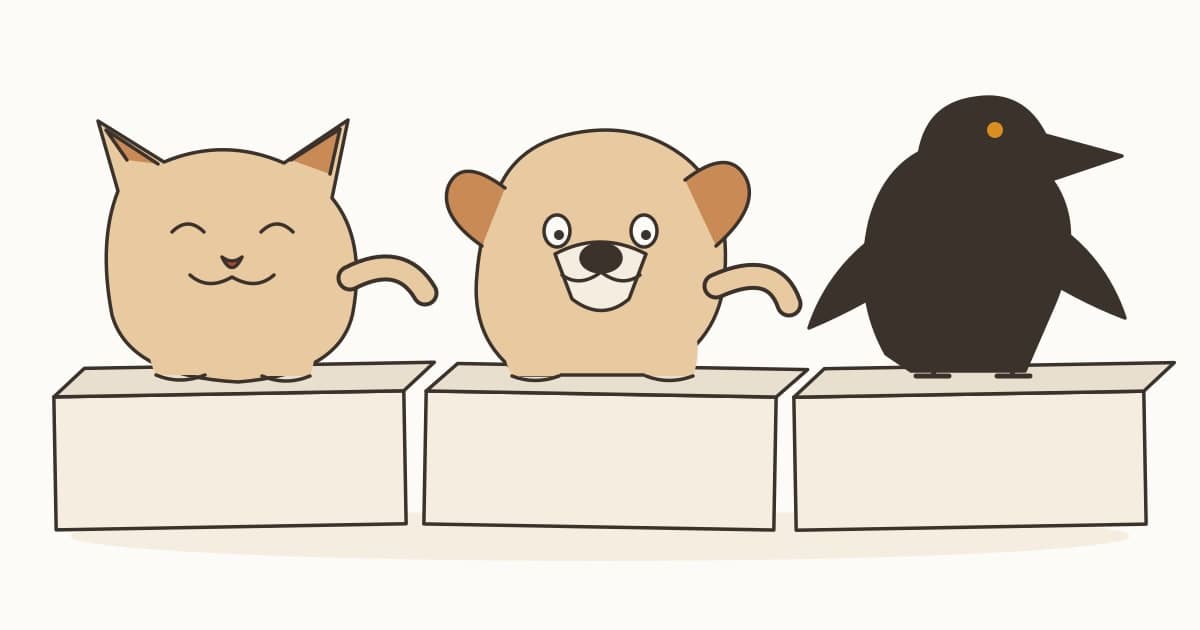
Where Do Cats Rank in Animal Intelligence? Why the Ranking Cannot Be Made
Where do cats sit in animal intelligence rankings? Using neuron counts, task performance, and ecological differences, we explain why lining species up in a single order is not scientifically viable.
2026-08-25
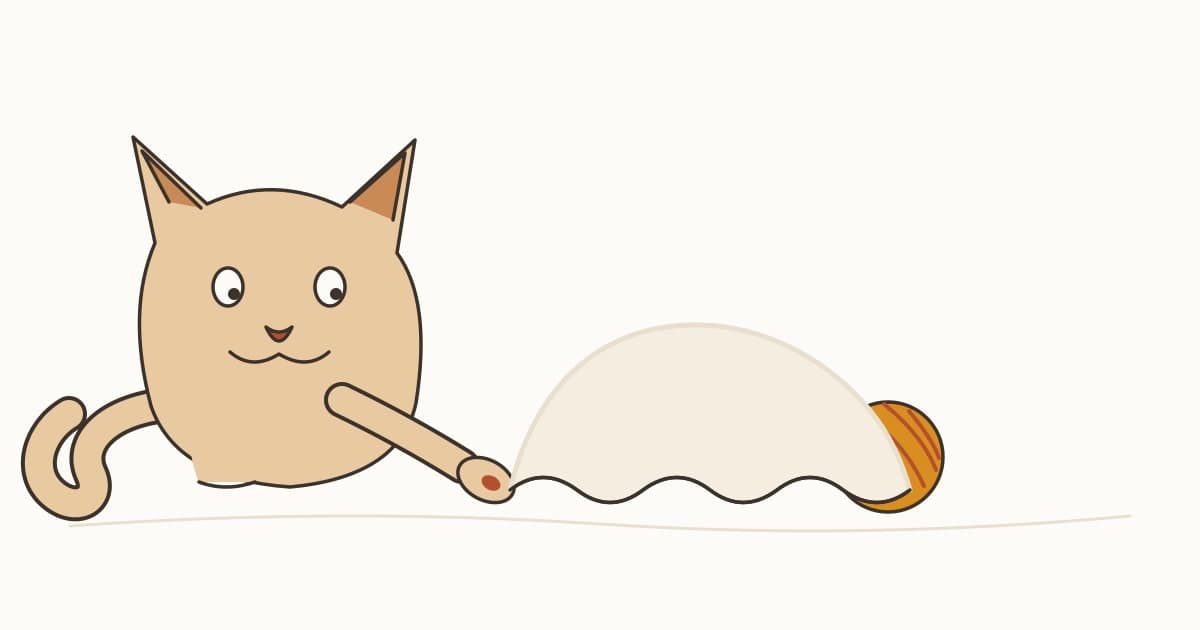
Do Cats Remember Hidden Objects? Research on Object Permanence
Can a cat find a toy hidden under a cloth? Using classic object-permanence studies, we explain the limits of what cats manage with invisible displacement and how to try the observation at home.
2026-08-25
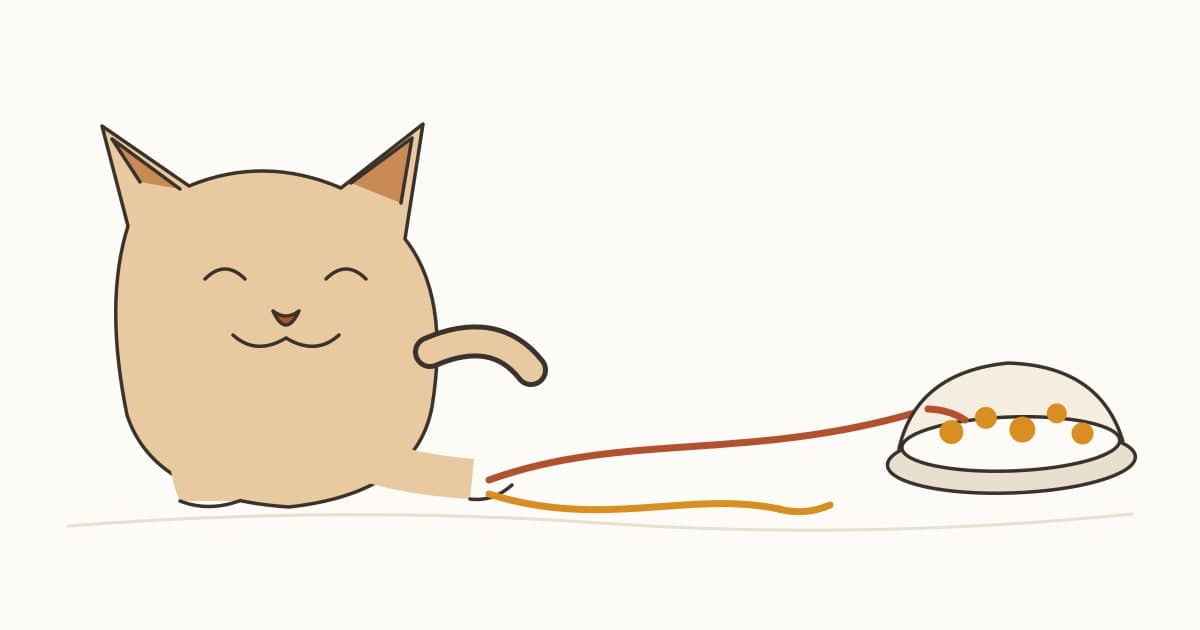
How Good Are Cats at Problem Solving? What String-Pulling Tasks Show
Do cats understand that pulling a string brings food closer? Using string-pulling research and Thorndike's puzzle box, we explain why feline learning is trial and error rather than insight.
2026-08-25
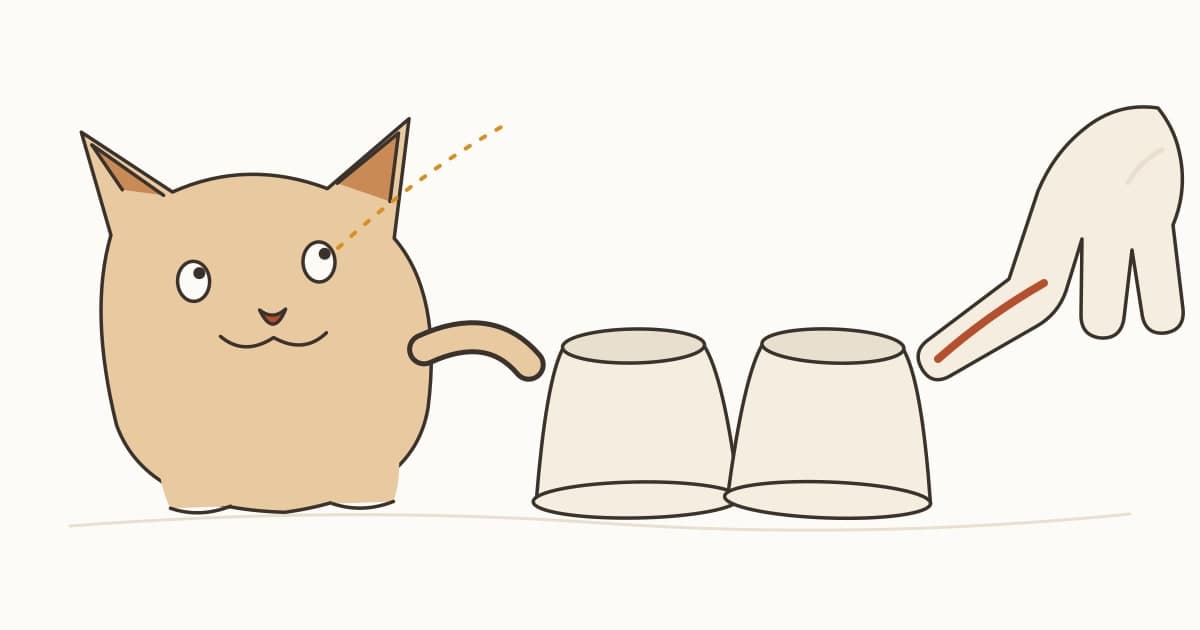
Do Cats Follow Human Pointing? Research on Social Referencing
Can cats use human pointing, gaze, and expression as information? Using object-choice and social-referencing experiments, we explain what cats read from their owners.
2026-08-25
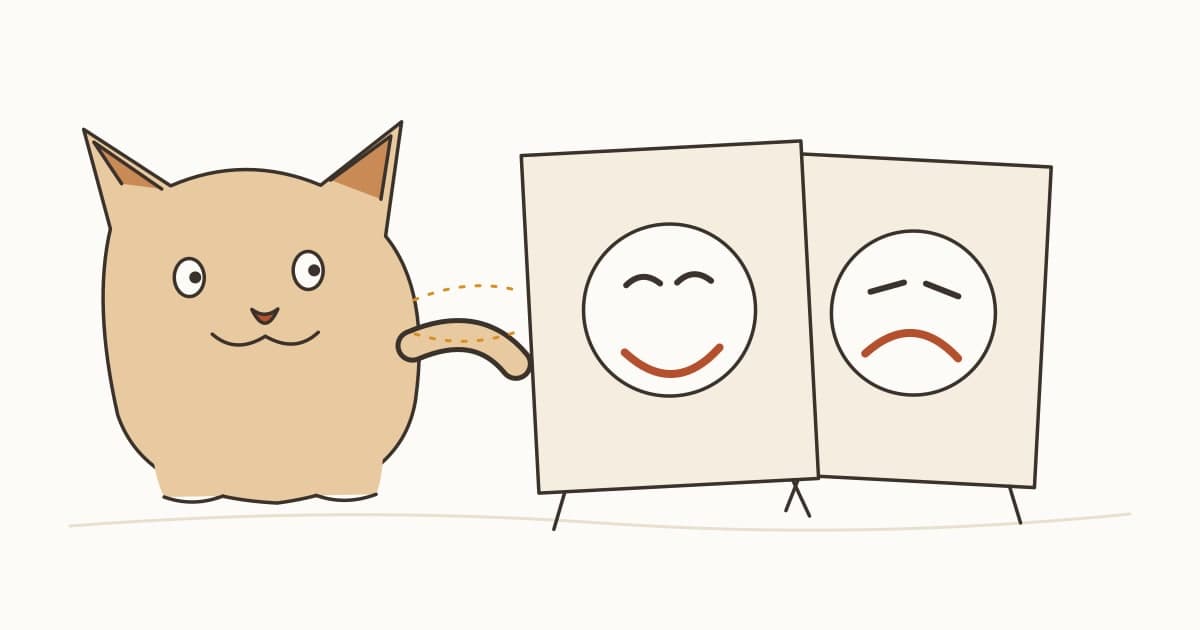
Can Cats Read Human Emotions? Research on Faces, Voices, and Scent
Can a cat tell a smile from a frown? We look at studies of expression discrimination, cross-modal voice-and-face experiments, and responses to human odor to explain what cats actually read.
2026-08-25
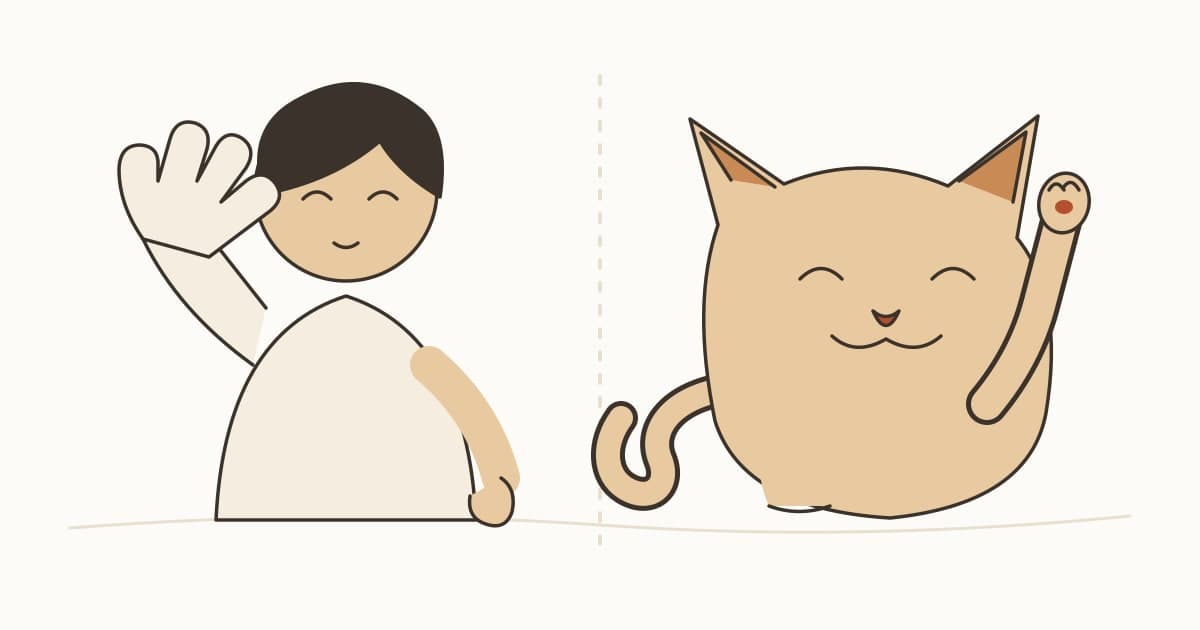
Can Cats Imitate People? Results from the 'Do as I Do' Study
Can a cat reproduce an action it watched a person perform? We introduce the study applying the Do as I Do paradigm to a cat and explain what the result does and does not establish.
2026-08-25
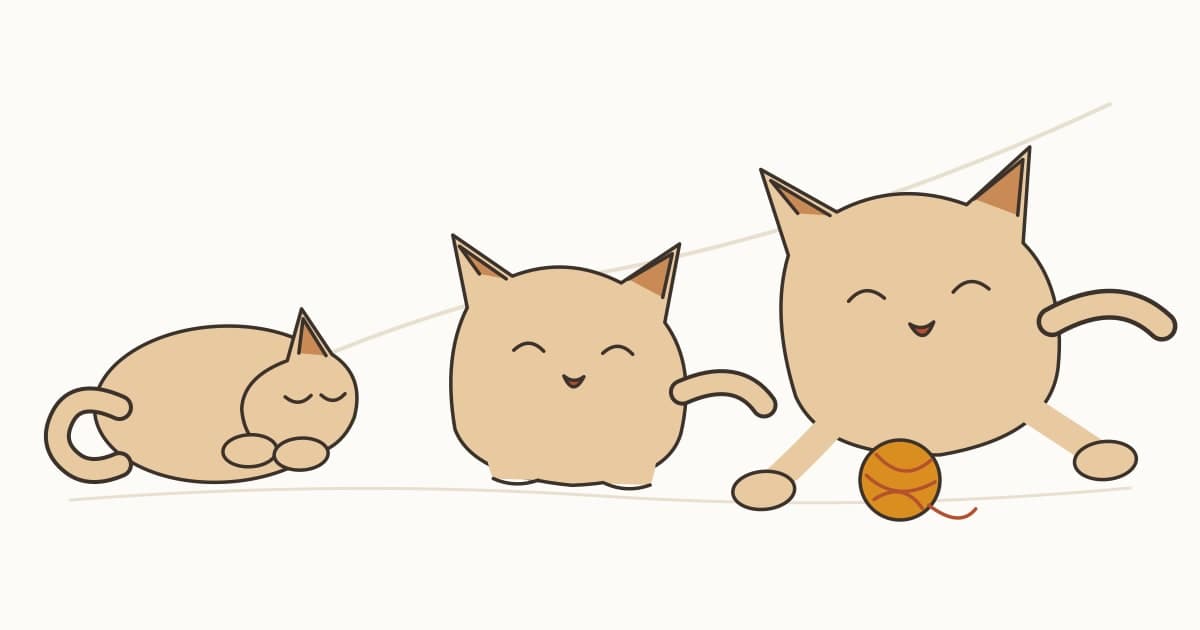
When Does Kitten Cognition Develop? Research on Growth and Socialization
When and in what order do a kitten's cognitive abilities appear? Using an observational study of object permanence and a large survey on weaning age, we explain what happens during kittenhood.
2026-08-25
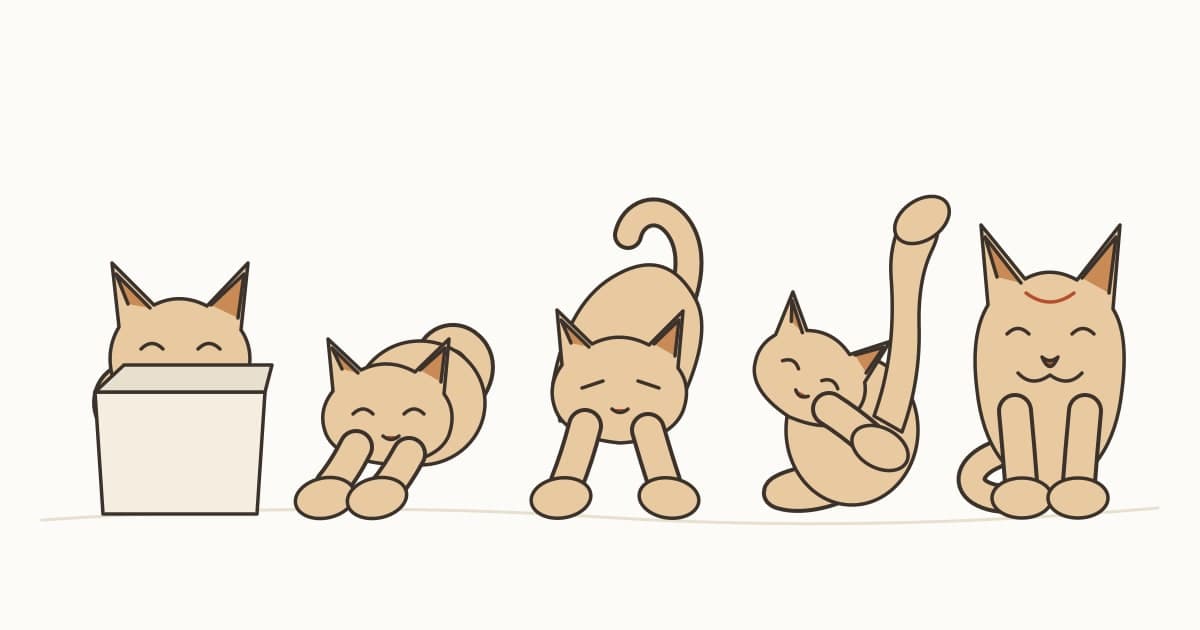
Are There Five Cat Personalities? The 'Feline Five' and Intelligence
A study of 2,802 pet cats identified five personality factors. We introduce the Feline Five, explain how personality differs from intelligence, and show how it affects performance on cognitive tasks.
2026-08-25
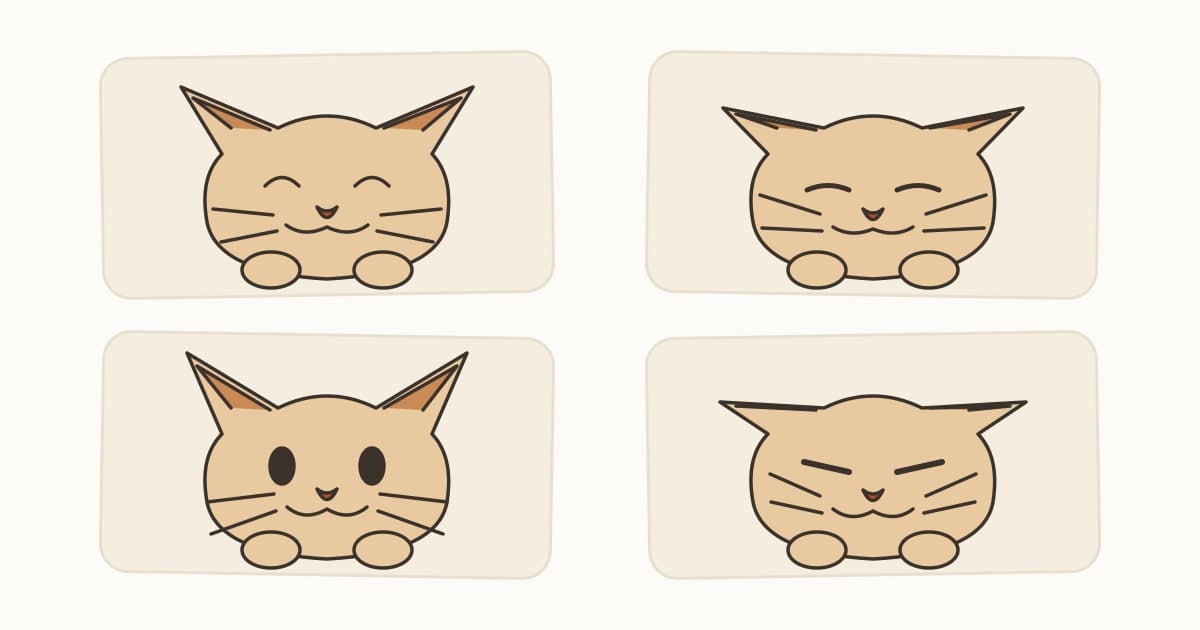
Do Cats Have 276 Facial Expressions? What Facial-Signal Research Shows
A study of 53 cats at a cat café recorded 276 distinct facial expressions. We explain what social signals a cat's face carries and what owners can realistically read from it.
2026-08-25
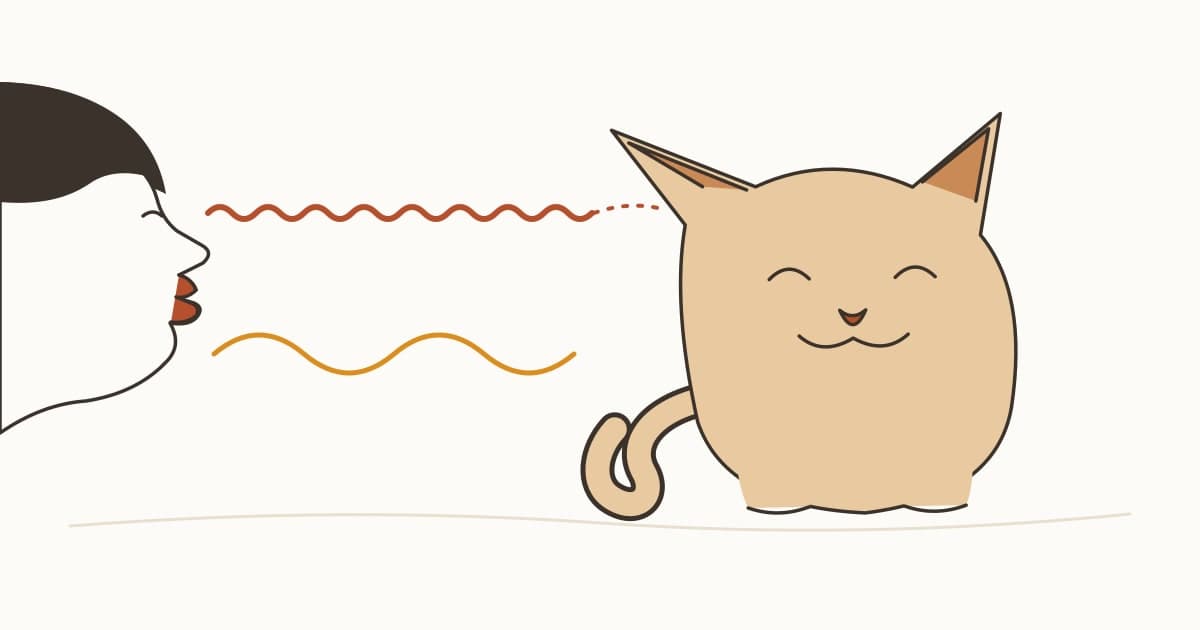
Does Cat-Directed Speech Get Through? Research on Talking to Your Cat
Do cats notice the high, gentle voice we use for them? An experiment with 16 cats found that they discriminate cat-directed speech—but only from their own owner.
2026-08-25
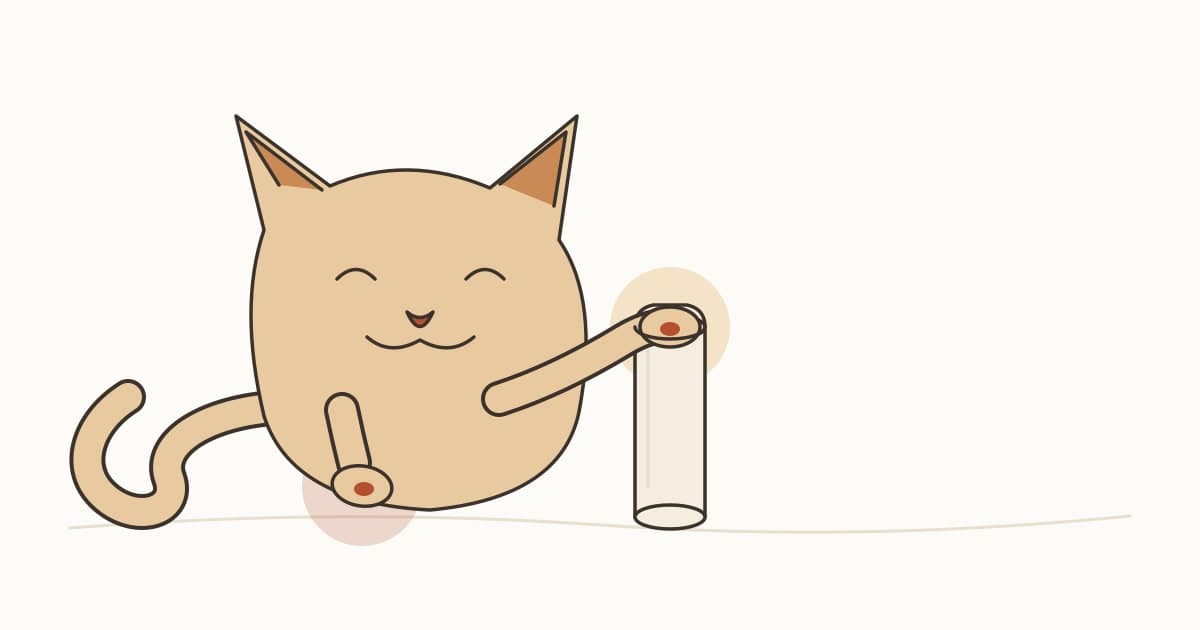
Are Cats Left- or Right-Pawed? Paw Preference and Brain Lateralization
Does your cat always lead with the same front paw? Research on feline paw preference shows a sex difference—females right, males left—and a bias that stabilizes around one year of age.
2026-08-25
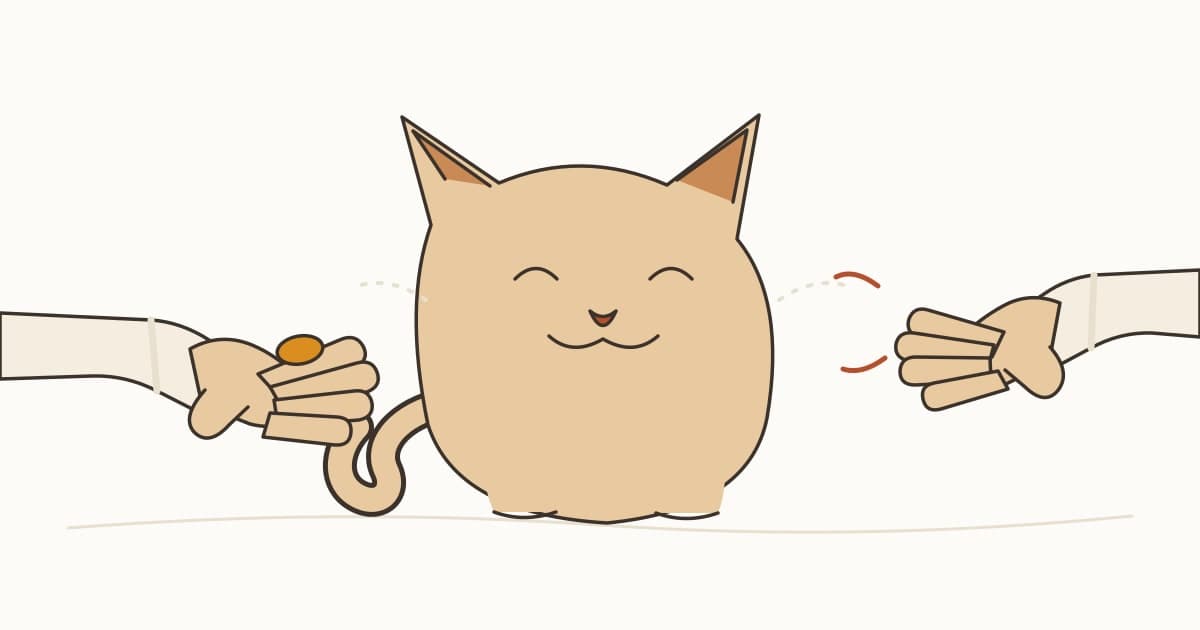
Do Cats Avoid People Who Are Unkind to Their Owner? Third-Party Evaluation
Dogs avoid food from someone who refused to help their owner. Running the same experiment with cats gave a different result. We explain what cats make of third-party interactions.
2026-08-25
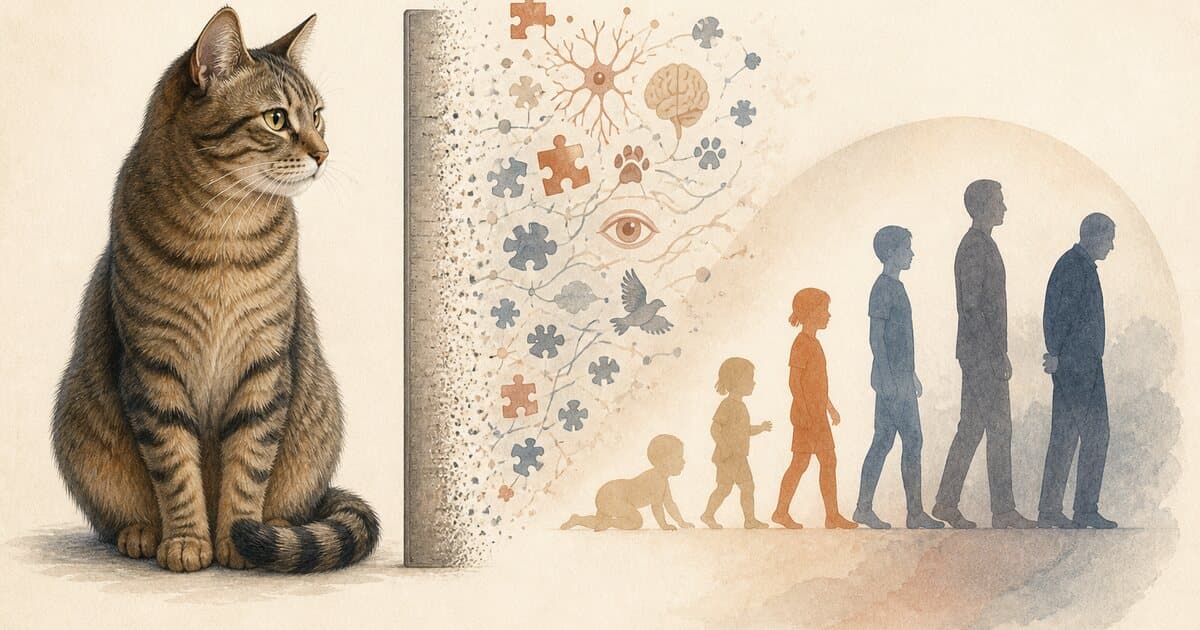
What Human Age Is a Cat's IQ? Why It Cannot Be Scored
Can a cat's IQ be converted into a human score or age? We explain why the human IQ scale cannot be applied to cats, and what research has established task by task about name recognition, spatial tracking, and memory.
2026-08-20
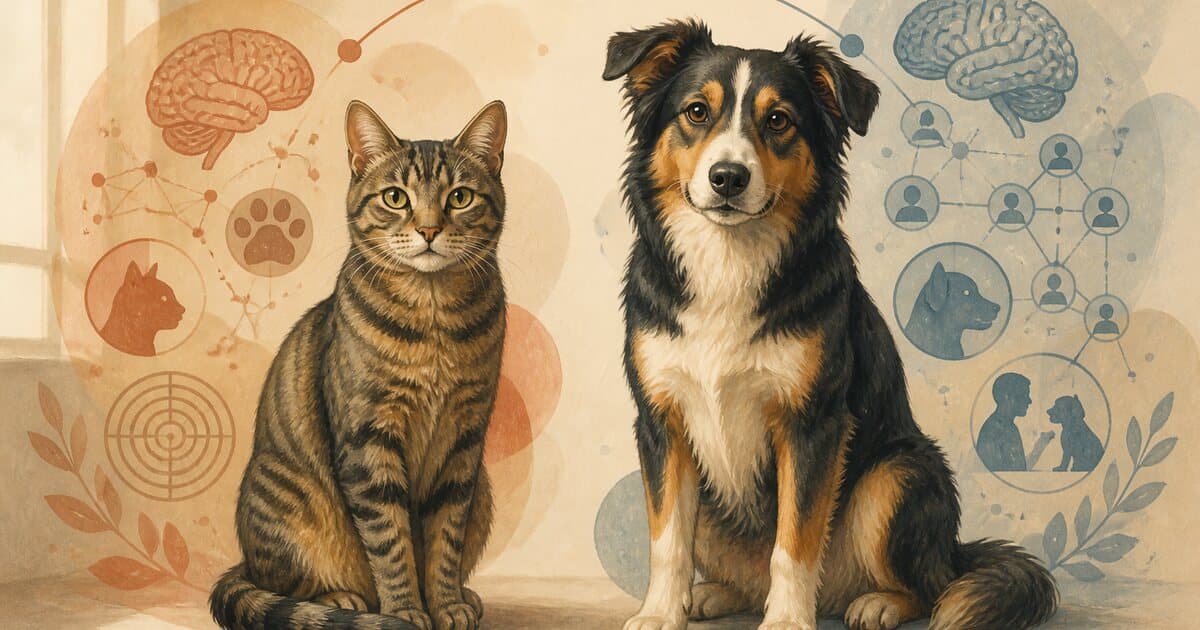
Which Is Smarter, a Cat or a Dog? Neurons and Experiments
Can feline and canine intelligence be compared at all? We line up research on cortical neuron counts, pointing comprehension, memory, and social learning to show where the differences are — and where there are none.
2026-08-20

Are Smartest-Cat-Breed Rankings Real? Breed and Behavior Research
Are Abyssinians, Siamese, and Bengals really the smartest? Using a large-scale study of breed differences in behavior, we examine how much evidence these intelligence rankings actually have.
2026-08-20

How Good Is a Cat's Memory? Working Memory and Single Experiences
How long does a cat remember a hidden object? We cover research on the duration of feline working memory, recall of what and where from a single experience, and memory for an owner's voice.
2026-08-20

5 Feline Intelligence Tests You Can Try at Home
Can you test your cat's IQ at home? Here are five observation tasks adapted from real research — name discrimination, hidden-object memory, inference from sound, and more — plus how to read the results honestly.
2026-08-20

How Much Do Cats Understand About People? Voice and Gaze Research
How far do cats read human voices, gaze, and emotions? We gather research on the acoustics of solicitation purring, the slow blink, and attachment experiments between cats and their caregivers.
2026-08-20

Can Cats Count? What Quantity-Discrimination Experiments Show
Can a cat tell more food from less? We cover quantity-discrimination experiments with untrained cats and a study that taught cats to tell two from three, and what they reveal about feline numeracy.
2026-08-20

Do Cats Recognize Themselves in a Mirror? Where the Research Stands
Does a cat know the reflection is itself? We explain how the mirror mark test works, what cats do, and how an olfactory version of self-recognition has been attempted with dogs.
2026-08-20

Can Cats Be Trained? How Feline Learning Actually Works
Is it true that cats cannot be trained? Using a study that clicker-trained 100 shelter cats, we explain how feline learning works and what conditions make training succeed at home.
2026-08-20
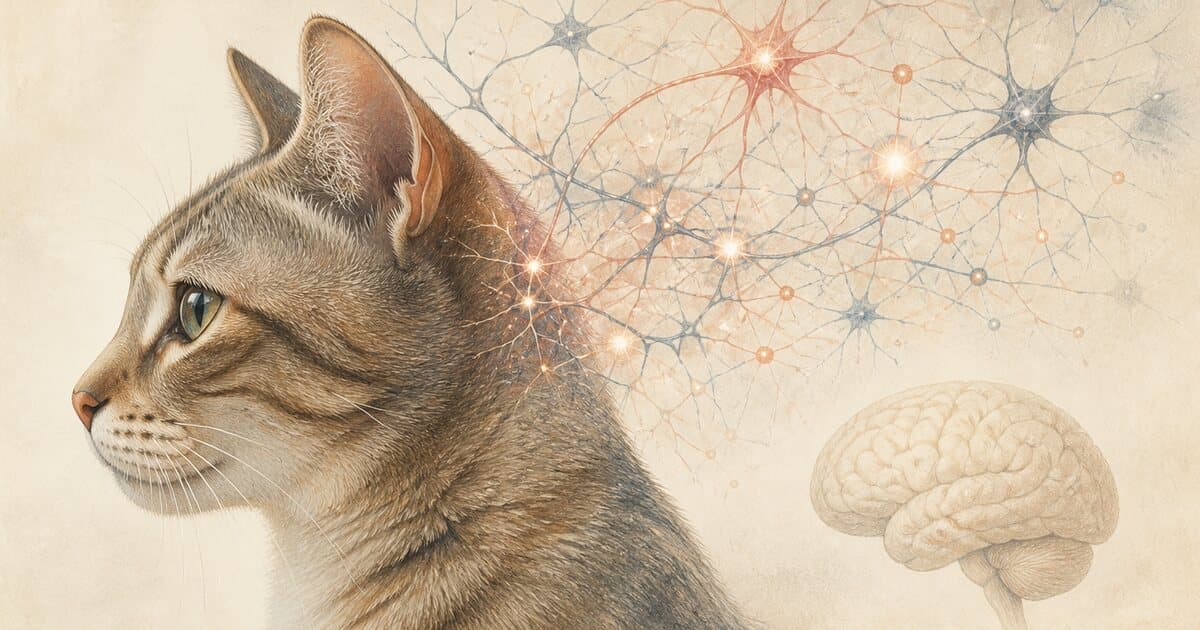
How Big Is a Cat's Brain? Neurons, Size, and Intelligence
How does a cat's brain differ from a human's? We cover estimated cortical neuron counts, the relationship between brain size and intelligence, and the limits of judging cognition from brain specs.
2026-08-20

Do Cats Get Dementia? Cognitive Change With Age
Night-time yowling and disorientation in an older cat may signal cognitive decline. We cover the signs of feline cognitive dysfunction, reported prevalence, and practical adjustments at home.
2026-08-20

Do Puzzle Feeders Work for Cats? What the Research Says
Are food puzzles and enrichment toys genuinely good for cats? Drawing on a veterinary behavior review, we cover the benefits to expect, how to introduce them, and the mistakes that cause failure.
2026-08-20

Do Cats Affect IQ or Focus? What Cat-Video and Stress Research Shows
Can cats or cat videos raise IQ? We examine a survey of nearly 7,000 cat-video viewers and human–cat interaction research, separating evidence on mood, stress, and focus from speculation.
2026-08-13
Can Feline Intelligence Be Measured as IQ? Research on Names, Memory, and Space
Do cats have a human-style IQ? Experiments on recognizing their own names, learning companion cats' names, and tracking an unseen owner's location show what feline cognition research can—and cannot—tell us.
2026-08-13

Cognitive Abilities: Types, IQ, and Noncognitive Skills
Cognitive abilities cover memory, attention, reasoning, language, and speed. Learn how they differ from IQ and noncognitive skills—and what training can change.
2026-08-10

What Percentage Has an IQ of 160? The Top 0.003%, About 1 in 31,560
An IQ of 160 sits in roughly the top 0.003% — about 1 in 31,560 people — and corresponds to a deviation score of 90. We compute that rarity from the mean-100, SD-15 normal distribution and cover the gap to IQ 145 and 150, confusion with SD-24 scales, and why measurement error dominates at this level.
2026-08-01
Is an IQ of 90 Low? How to Read a Score Inside the Average Range
An IQ of 90 is not 'the bottom quarter' — it falls inside the average range. We locate it on the normal distribution (deviation score 43.3, about the top 75%), explain what it means day to day, and why the domain profile matters more than the single number.
2026-08-01

IQ and Academic Performance: What a Correlation of 0.5 Actually Means
The correlation between IQ and academic performance runs around 0.5. That is a real trend with large individual variation — roughly three quarters of the variance in grades is explained by something else. We cover how to read a correlation and which non-cognitive factors matter.
2026-08-01
The Dunning–Kruger Effect: Why Self-Assessment Misses, Seen Through IQ
The Dunning–Kruger effect is usually summarized as 'less competent people overrate themselves.' What the data actually show is self-assessment compressed toward the middle, with top performers underrating themselves. We also cover why self-reported IQ is unreliable.
2026-08-01
Multiple Intelligences Theory: The Eight Intelligences and How It Conflicts with IQ
Gardner's theory of multiple intelligences splits intelligence into eight independent domains including linguistic, logical-mathematical, and spatial. We cover the eight, where the theory conflicts with g and CHC theory, and its conflation with the learning-styles myth.
2026-08-01
What Is Processing Speed (Gs)? How to Improve Cognitive Speed, and Its Limits
Processing speed (Gs) is the broad CHC ability covering how quickly and accurately you handle simple work. We cover how IQ tests measure it, what age-related decline really looks like, and which training gains transfer — separated by strength of evidence.
2026-08-01
Savant Syndrome and IQ: Where Extraordinary Narrow Ability Comes From
Savant syndrome is the appearance of extraordinary ability in a narrow domain alongside a developmental condition or brain injury. We cover its relationship to composite IQ, why the abilities cluster in memory, calculation, music, and art, and what remains unexplained.
2026-08-01
What Is Twice-Exceptional (2e)? High Ability Alongside a Learning Difference
Twice-exceptional (2e) describes people who have both high intellectual ability and a learning disability or developmental condition. We cover why it does not show up in composite IQ, how to read subtest discrepancy, and why 2e is so easily missed.
2026-08-01
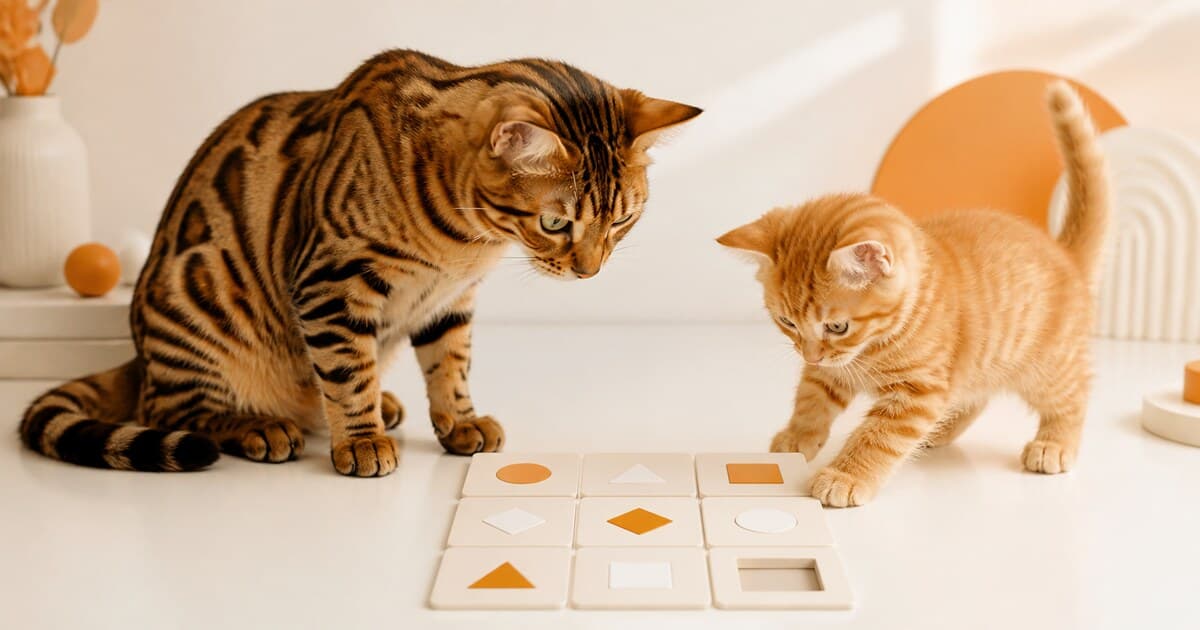
How to Solve Classification Problems: Spot the Odd One Out in 3 Lenses
Classification problems on IQ tests — odd-one-out and grouping items — become solvable once you break figures into attributes. We cover the order to check shape, count, rotation, and fill, how to spot Latin-square patterns, and how to narrow down when you are stuck.
2026-07-27
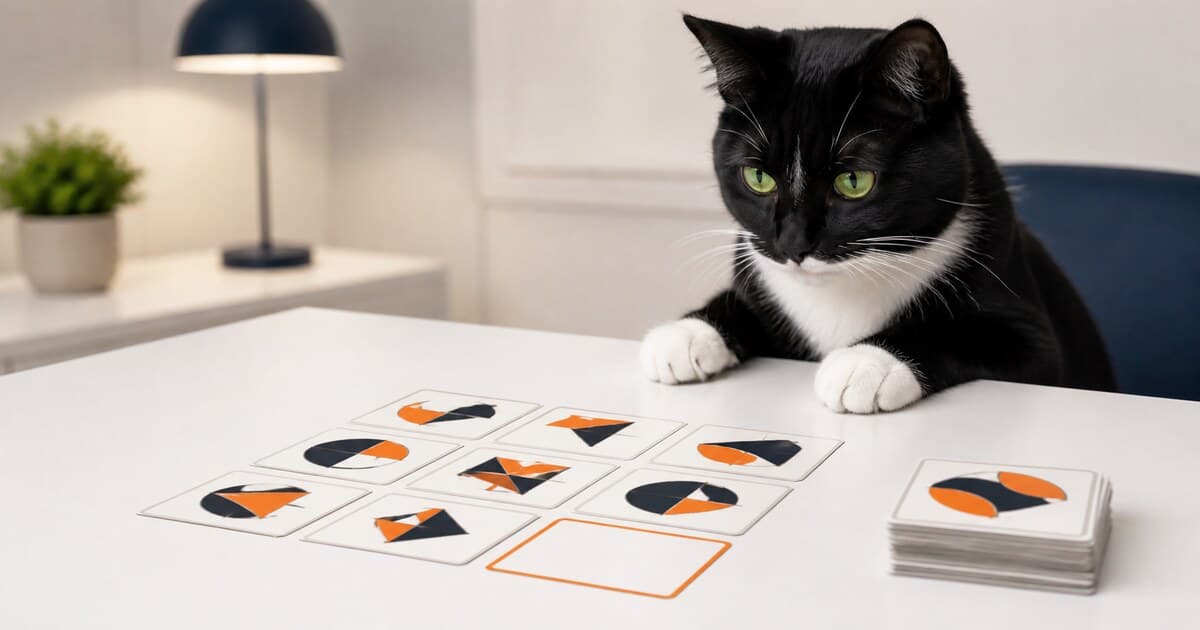
What Is on the Mensa Test? Question Formats and Difficulty Explained
What kind of questions appear on the Mensa admission test? We explain the non-verbal, figure-based format, the top-2% qualifying threshold, and what preparation actually helps versus what does not — within the limits of what is publicly known.
2026-07-27

IQ and Creativity: The Threshold Hypothesis on Smarts and Ideas
Are high-IQ people more creative? We use the threshold hypothesis as the frame — the two correlate up to a point and decouple above it — and cover divergent thinking and the parts of creativity IQ cannot measure.
2026-07-27

Does IQ Change with Age? How to Read the Peak and the Decline
How IQ changes across the lifespan: why deviation IQ compares you only with your own age group, why fluid reasoning peaks in your twenties, and why crystallized intelligence keeps growing into middle age.
2026-07-26
IQ Test Strategy: Time Management and Knowing When to Skip
How to score at your true level on an IQ test: pacing, review, and criteria for abandoning an item. Includes why a single hard item carries extra weight under IRT scoring.
2026-07-25

What Is a Culture-Fair (Nonverbal) IQ Test? Why Language Skill Does Not Decide Your Score
Culture-fair tests are IQ assessments designed to minimize the influence of language and cultural knowledge. We compare them with verbal tests, explain their acknowledged limits, and describe where they work best.
2026-07-24
What Are Raven's Progressive Matrices? Measuring IQ with Figures Alone
Raven's Progressive Matrices (RPM) is a nonverbal IQ test built on spotting rules in a matrix of figures. We cover the five rule types, why it measures intelligence without language, and how it relates to consumer tests.
2026-07-23
What Is Item Response Theory (IRT)? Scoring an IQ Test Without Counting Correct Answers
IRT estimates ability by accounting for the difficulty of each item rather than counting correct answers. We explain how it differs from raw scoring, the logic of the Rasch model, and how ability converts to an IQ.
2026-07-22
IQ Standard Deviation 15 vs 16: Why the Same Ability Prints a Different Number
The same ability yields different IQ numbers because tests use different standard deviations. We cover the conversion formula for SD 15, 16, and 24, and why Mensa's 'top 2%' appears as IQ 130, 132, or 148.
2026-07-21
Is an IQ of 100 'Just Average'? What It Really Means and How to Find Your Strengths
An IQ of 100 is by definition exactly average, and about half of everyone scores between 90 and 109. We explain the statistics of being 'average' — and why your domain-level strengths matter more than your overall IQ.
2026-07-21
How to Calculate Your IQ Percentile: Using the Normal Distribution and z-Scores
A step-by-step guide to working out what percentile an IQ score falls in, and what '1 in how many people' it means. Covers z-scores, the normal distribution, a conversion table for IQ 100–160, and the deviation-score formula.
2026-07-20
Does Practicing for an IQ Test Help? 5 Last-Minute Ways to Stabilize Your Score
Can practice raise your IQ score? An honest look at the research on practice effects, plus five last-minute tips — format familiarity, sleep, time management — for performing at your true level.
2026-07-20
What Percentage Has an IQ of 110? Top X% and What 'Slightly Above Average' Means
An IQ of 110 is roughly the top 25% — about 1 in 4 people. We explain what 'slightly above average' means in real life, along with the distribution data behind it.
2026-07-20
What Percentage Has an IQ of 150? The Top 0.04%, About 1 in 2,330
An IQ of 150 is roughly the top 0.04%, about 1 in 2,330 people. We calculate the figure from a normal distribution with mean 100 and SD 15, and compare it with IQ 140, IQ 160, and the Mensa threshold.
2026-07-19
What Is IQ? Meaning, Origin, and the Basics of the Intelligence Quotient
What is IQ (the intelligence quotient)? A beginner-friendly guide to its meaning and origin, how the mean of 100 works, how it's measured — and whether 'high IQ = smart' is actually true.
2026-07-19
What Is an IQ Test? Types, How They Work, and Choosing a Free Online Test
A guide to the types of IQ tests and how they work, plus four checkpoints for choosing a trustworthy free online IQ test — including an honest look at how they differ from formal assessments.
2026-07-19

The History of IQ Tests: 120 Years from Binet to Modern CHC Theory
IQ testing began with the 1905 Binet–Simon scale and evolved through ratio IQ, group testing, and Wechsler's deviation IQ to today's CHC theory. We walk through 120 years of history, turning point by turning point.
2026-07-18

IQ and Mental Strength: Can You Think Your Way to Less Stress?
A high IQ does not mean a strong mind. But psychology has established techniques — cognitive reappraisal, affect labeling — that use cognitive ability to reduce stress. Includes self-care tips by cognitive type.
2026-07-17
10 Brain-Boosting Hobbies — With an Honest Look at the Limits
Ten hobbies said to benefit cognition — chess, music, puzzles, exercise — organized by domain. To the question 'can hobbies raise IQ?', we give an honest answer based on near- and far-transfer research.
2026-07-17
How Does IQ Relate to Your Career? Best Jobs by Cognitive Type
A moderate link between IQ and job performance has been reported repeatedly — but what really helps in choosing a career is knowing which cognitive domain is your strength. We cover recommended careers for each of the four types: spatial, pattern, logic, and classification.
2026-07-16
IQ, Love, and Compatibility: Do Partners Have Similar IQs?
Moderate positive correlations between spouses' IQs have been reported repeatedly (assortative mating). We explain why couples with similar cognitive ability tend to last, with compatibility hints for each cognitive type.
2026-07-16
Is IQ Genetic? What Heritability Really Means, and the Role of Environment
Is IQ determined by genes? We explain how to correctly read the heritability figures from twin studies (50–80% in adults): heritability describes variation in a population, not an individual's fate, and education and environment still matter.
2026-07-15
What Is the Flynn Effect? Why Global IQ Rose — and Recently Stalled
The Flynn effect is the 20th-century phenomenon of average IQ scores rising by about 3 points per decade across countries. We cover the leading explanations — nutrition, education — and the stagnation and reverse Flynn effect reported in developed countries.
2026-07-14
How to Solve Number Sequences: 4 Steps for Spotting the Rule
A 4-step method for the number sequence problems found on IQ tests: how to spot arithmetic, geometric, second-difference, and alternating patterns, with worked examples and tips for solving quickly and accurately.
2026-07-13
Can You Raise Your IQ? An Honest Look at Training and Its Limits
A research-based look at "how to raise your IQ": what improves with practice, the limits of brain-training transfer effects, and the factors that genuinely matter — sleep, exercise, and education — without exaggeration.
2026-07-12
What Percentage Has an IQ of 120? Top 9%, About 1 in 11
An IQ of 120 corresponds to roughly the top 9%, about 1 in 11 people. We explain how it compares with IQ 115 and IQ 130, the deviation-score conversion (about 63), and where it sits in society, with distribution data.
2026-07-11
Are Free IQ Tests Accurate? How They Differ from the Real Thing
Can you trust the results of a free IQ test? We explain how they differ from formal assessments (like the WAIS), the four factors that determine accuracy, and how to spot a trustworthy online test — without exaggeration.
2026-07-10
Fluid vs Crystallized Intelligence: How the Two Differ by Age
A clear look at fluid intelligence (Gf) vs crystallized intelligence (Gc), framed by CHC theory and how each changes with age. The power to solve new problems versus accumulated knowledge, explained without exaggeration.
2026-06-09
How to Build Logical Thinking: Deduction, Induction & Daily Practice
How to develop logical thinking. We cover the difference between deduction and induction, practice with visual logic tasks, and daily habits, without exaggeration.
2026-06-08
How to Train Spatial Reasoning: Boosting Mental Rotation in Daily Life
How to train spatial reasoning (mental rotation). We share practice with shapes and everyday habits, while honestly noting the limit: large gains in overall IQ are unlikely.
2026-06-07
IQ Tests for Children: What Age, and WISC vs. Quick Tests
Basics of children's IQ tests (WISC and more): from what age they can be taken, the difference between testing at a clinic and online quick tests, and the link to gifted education, explained without exaggeration.
2026-06-06
What Percentage Has an IQ of 140? Top ~0.4%, Explained
An IQ of 140 is roughly the top 0.4%, or about 1 in 260 people. We explain its rarity, how it differs from IQ 130, and its honest relationship to giftedness using distribution data.
2026-06-05
EQ vs IQ: What's the Difference, and Which Matters More?
A clear, honest look at the difference between EQ (emotional intelligence) and IQ. IQ reflects cognitive ability such as fluid reasoning, while EQ is about recognizing and regulating emotions—complementary, not ranked.
2026-06-04
Is Average IQ by Country Reliable? The Limits Explained
Are 'average IQ by country' rankings actually correct? We honestly review the sampling and cultural bias problems in Lynn et al.'s research, why you shouldn't take the numbers at face value, and the myths about national rankings.
2026-06-03
How to Convert Between IQ and Deviation Score: Formula and Chart
How to convert between IQ (mean 100, SD 15) and the deviation score (mean 50, SD 10). Covers the conversion formula, a quick chart, and worked examples like IQ 130 equals a deviation score of 70.
2026-06-02
Are Celebrity and Genius IQs Real? Why the Numbers Don't Hold Up
Most "celebrity IQ" and "genius IQ" figures you see online are estimates of unknown origin. Almost no one has officially released their own score, and standards differ by era and test method. Here's an honest explanation of why.
2026-05-31
What Is the WAIS? The Difference Between Formal IQ Tests and Free Online Tests
The WAIS is one of the leading IQ tests for adults. We explain in plain terms how it differs from the WISC and the Binet scales, and why free online tests are estimates rather than clinical diagnoses.
2026-05-28
Is IQ Linked to Income? The Strength of the Correlation and Key Caveats
An honest look at the relationship between IQ and income. Research shows moderate correlations with academic and job performance and earnings, but we lay out, without exaggeration, that correlation is not causation and that many factors are involved.
2026-05-25
What Does "Gifted" Mean? A Clear Look at Its Link to IQ and Its Many Sides
We define what gifted means, explain why an IQ of 130 or above is often used as one benchmark, and cover 2e (twice-exceptional) and the many-sided nature of giftedness, all without exaggeration.
2026-05-22
How to Join Mensa: The Top 2% Requirement and the Testing Process
A clear guide to joining Mensa. We lay out the top 2% requirement (roughly IQ 130 and above), the typical process for accepted prior tests and supervised admission tests, and how to think about the steps involved.
2026-05-19
What Are the Traits of People With High IQ? Research-Backed Tendencies and Caveats
A research-based look at the traits of high-IQ people. We cover tendencies like fast learning and abstract thinking, while honestly explaining why a high IQ does not guarantee success or define personality.
2026-05-16
What Is the g Factor? A Plain-Language Guide to General Intelligence and CHC Theory
What does psychology mean by the "g factor" (general intelligence)? From Spearman's discovery to CHC theory, we lay out the structure of intelligence in clear, accessible terms.
2026-05-12
How to Train Your Working Memory: 5 Everyday Methods
Can working memory really be trained? We introduce five everyday training methods, including the n-back task and chunking, that you can easily incorporate into daily life.
2026-05-09
How to Solve Matrix Reasoning Problems: Spot the Rule in 3 Steps
For anyone who struggles with matrix reasoning problems, this guide explains a 3-step method—checking rows, columns, and relationships in order—using worked examples.
2026-05-06
What Percentage Has an IQ of 130? Top X% and How Rare It Is
An IQ of 130 puts you in roughly the top 2%, about 1 in 50 people. We explain how rare an IQ of 130 is, often cited as the gifted threshold, along with its traits and the underlying distribution data.
2026-05-03
What Is the Average IQ? The Basics of Standard Deviation and Distribution
The average IQ is 100 and the standard deviation is 15. We explain in plain terms why 100 is the average, the shape of the distribution, and how to think about "top X%."
2026-05-01