An IQ test for cat lovers
what percentile?
The 20-question test is free and takes about 10 minutes. See your strongest area free; the full report with estimated IQ, percentile, rank, and certificate is a one-time purchase: ¥600 until September 30, 2026 (regular ¥1,200).
Which figure fits the blank?
Looking for feline intelligence?
Cats do not have a valid human-style IQ score
Feline intelligence is studied task by task, including memory, quantity discrimination, problem solving, and owner recognition. Explore what peer-reviewed research shows and where its limits remain.
Read the feline cognition research guideResearch notes for cat lovers
Understand the cats you love through peer-reviewed research
Studies suggest cats distinguish their own names, infer an unseen owner's location from voice, and use information from a single eating experience. We explain methods, sample sizes, and limitations without overstating the findings.
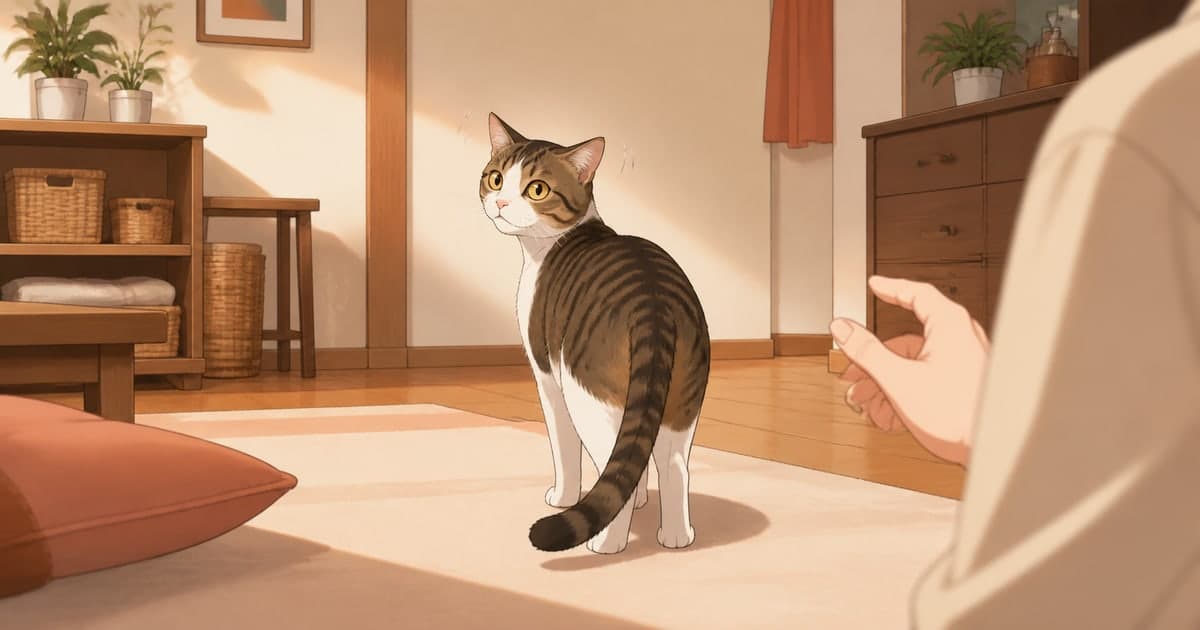 Do cats recognize their own names?What a study of 78 household cats found about distinguishing names from other words.
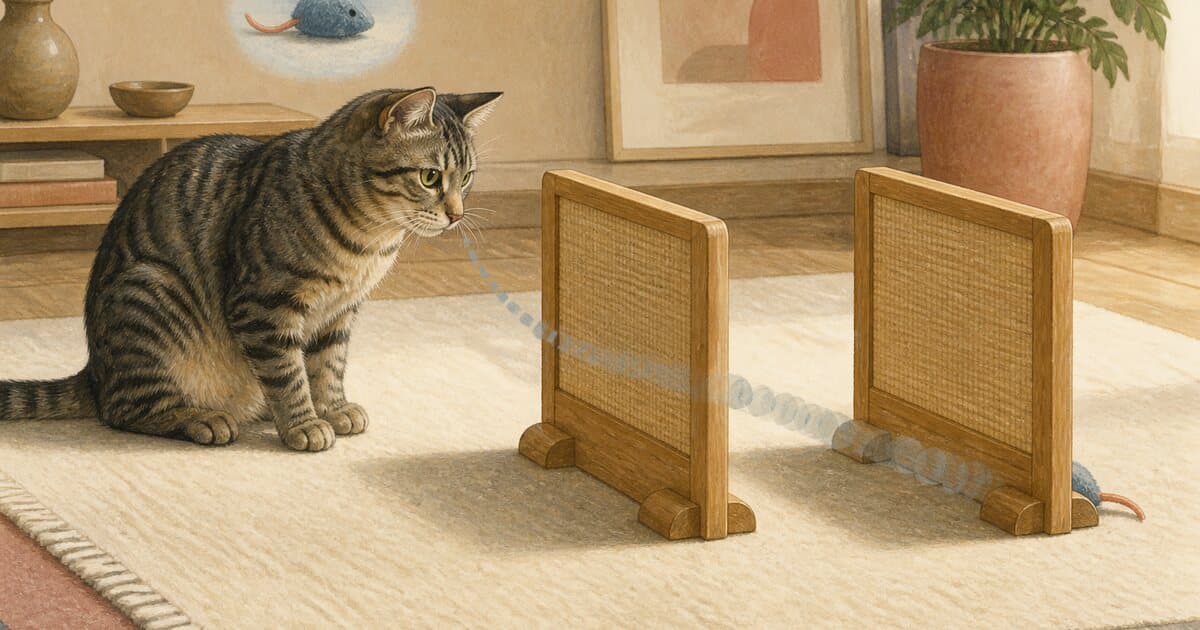 How good is a cat's memory?Research on short-term memory, owner recognition, and memory from eating experiences.
 Can feline intelligence be measured as IQ?Why human IQ does not transfer to cats, and what cognition studies can actually show.
Four cognitive abilities measured
Non-verbal measurement based on Raven's matrices (Carpenter et al. 1990)
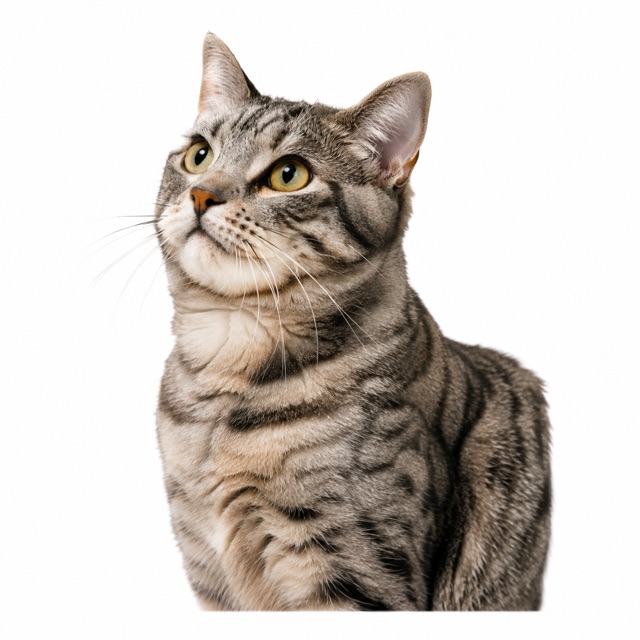
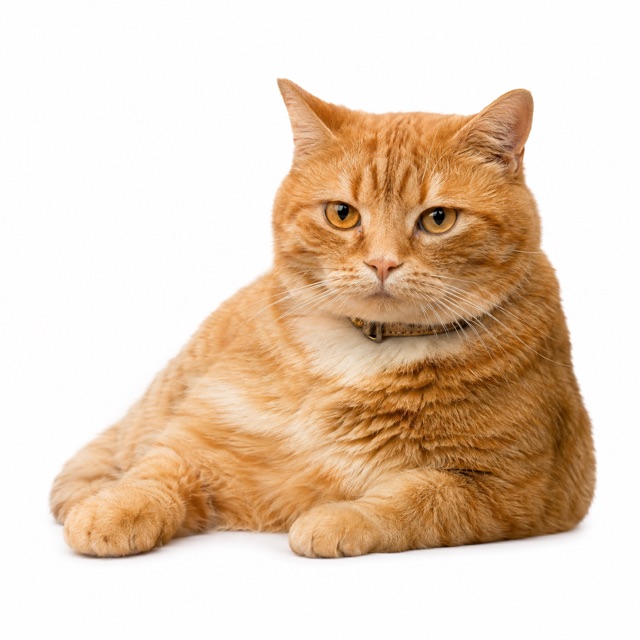
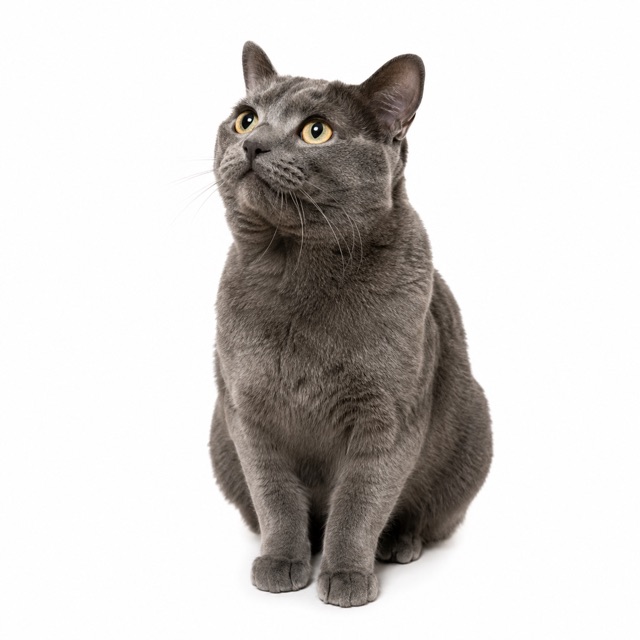
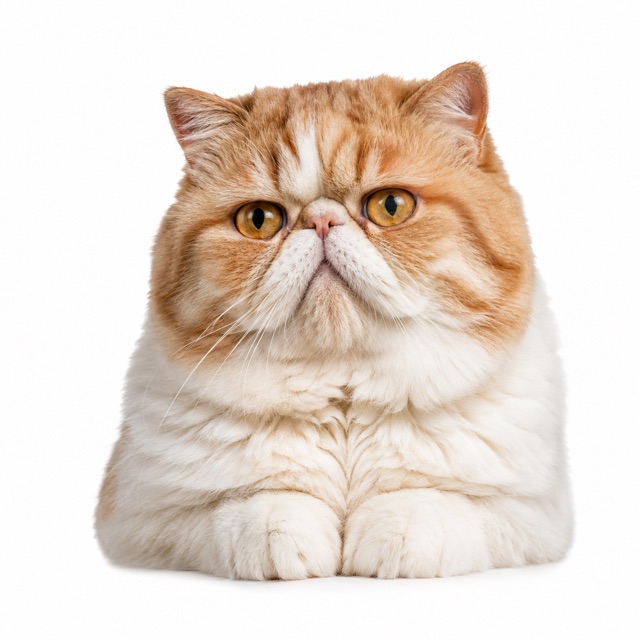
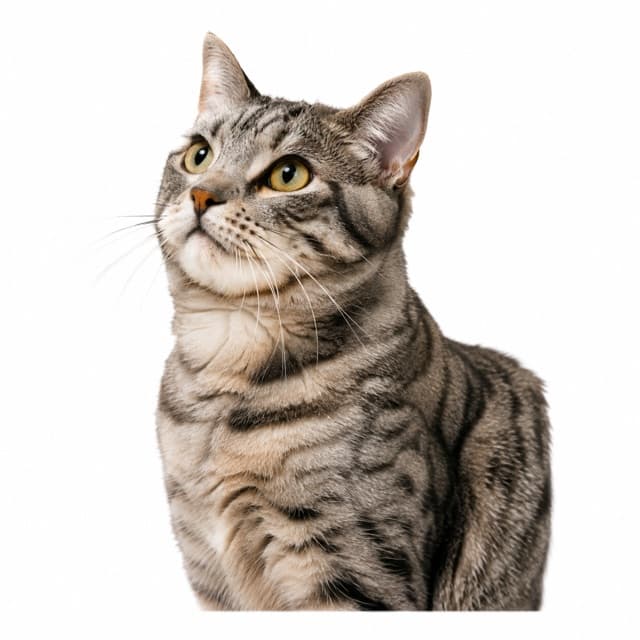
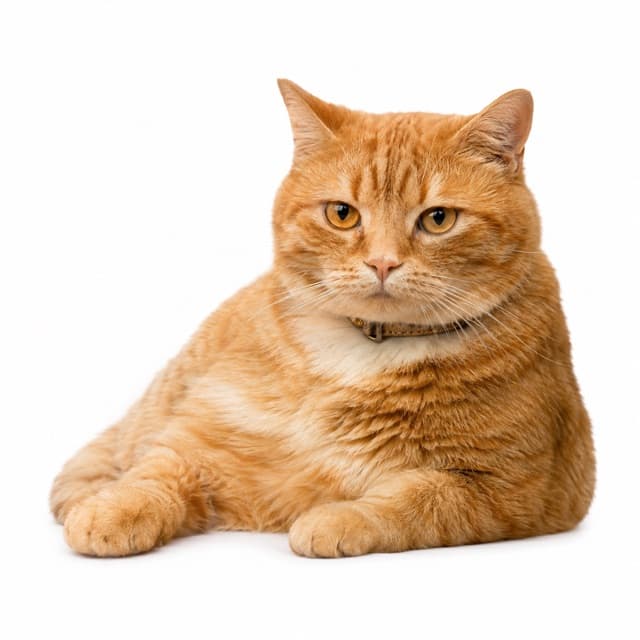
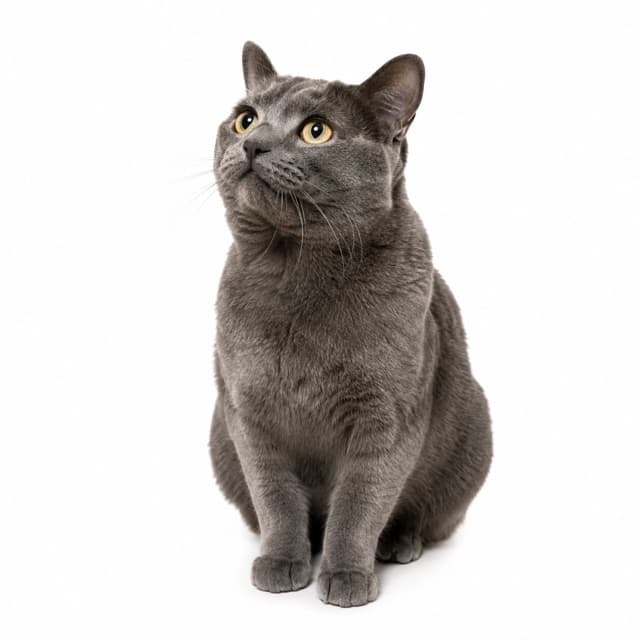
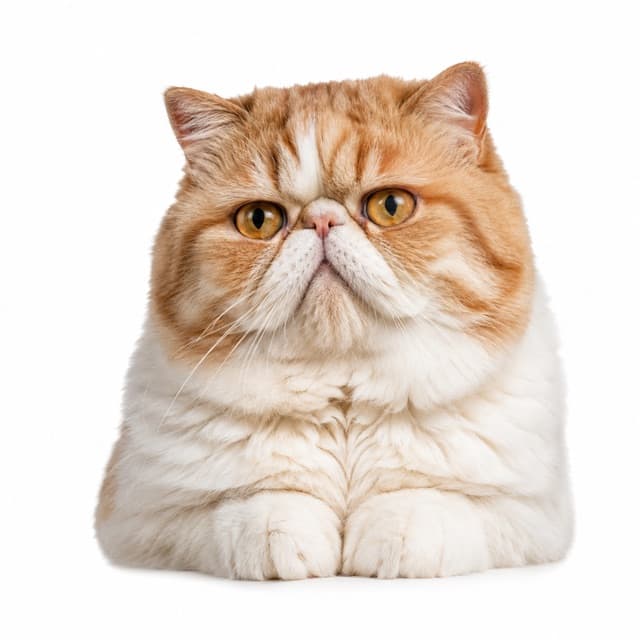
NekoIQ Dojo: Try a Sample
Warm up with the cats by trying a real-format problem from each of four domains.
Problem 1:The arrow rotates 90° clockwise in each row. What is the third cell?
Options
Three simple steps
Take the test
20 questions, no time limit. Spot the rule in each abstract figure.
Server scoring
Answers live only on the server—tamper-proof, accurate scoring.
See your result
Estimated IQ, deviation, percentile, national rank, and per-area scores.
The science behind it
This test is designed on intelligence research—why abstract figures can measure IQ.
Strongly reflects the g factor
Raven's matrix reasoning is considered one of the tasks that best reflects the general intelligence g (Spearman 1904) common to many cognitive challenges, and it is known to have a high g loading.
Independent of language and culture
Because it uses only abstract figures, it is largely unaffected by language ability, educational background, or cultural knowledge, allowing fluid reasoning (Gf) to be measured in a pure form (CHC theory; McGrew 2009).
Rules are theoretically defined
Items are automatically generated based on the rules Carpenter et al. (1990) identified in the RPM (rotation, quantitative progression, addition and subtraction of figures, and distribution of three values). Each answer is uniquely determined.
Scored with item response theory (IRT)
Rather than counting correct answers, ability θ is estimated with an IRT model that adds a guessing floor c=1/6 for the 6-choice items (so lucky guesses are not mistaken for ability), so correctly answering harder items is weighted more heavily. The estimate is calibrated to a population of θ~N(0,1) and converted to IQ=100+15θ (deviation IQ, SD 15).
References
- Spearman, C. (1904). “General Intelligence,” Objectively Determined and Measured (the discovery of general intelligence g) The American Journal of Psychology, 15(2), 201–293.
- Raven, J. C. (1938). Raven's Progressive Matrices (the standard measure of nonverbal, fluid intelligence) London: H. K. Lewis.
- Carpenter, P. A., Just, M. A., & Shell, P. (1990). What one intelligence test measures: A theoretical account of the processing in the Raven Progressive Matrices Test (decomposing RPM into five rule types) Psychological Review, 97(3), 404–431.
- Rasch, G. (1960). Probabilistic Models for Some Intelligence and Attainment Tests (IRT / the Rasch model) Danish Institute for Educational Research.
- McGrew, K. S. (2009). CHC theory and the human cognitive abilities project (CHC theory) Intelligence, 37(1), 1–10.
Look up IQ rarity
See what percentile and 1-in-N each IQ corresponds to.
See all scores in the IQ chartIQ distribution data
Share and population ratio of each IQ band on a normal curve.
How to solve
Tips and worked examples for all four areas.
Articles
Reads on IQ averages, rarity, the g factor, and more.
IQ classification
Mean IQ is 100, SD 15. Scores fall into the following ranges.
How to raise your IQ
Do brain-stimulating activities
Puzzles, problem-solving, and learning new skills strengthen neural connections.
Get quality sleep and rest
Sleep is essential for attention, memory, and decision-making. Adequate rest optimizes cognitive performance.
Eat a balanced diet
Antioxidants, omega-3s, vitamins, and minerals support brain health and cognitive function.
Exercise regularly
Exercise boosts blood flow to the brain, helps generate new brain cells, and improves cognition.
Keep learning
Reading, courses, and new experiences stimulate the brain and build adaptability. Consistent learning is key.
Manage stress and mental health
Chronic stress harms cognition. Meditation and mindfulness help keep your brain healthy.
What users say
4.7 / 5・6 published reviews
Actual cumulative counts. Satisfaction = average of 6 published reviews. No signup · one-time payment via Stripe.
I could really focus with just figures. The detailed analysis—and the cats that helped me relax—was wonderful.
Loved getting a certificate! Solving alongside cute cats made it even more fun to share.
The difficulty ramp feels real. The cat photos gave me a calming break between questions.
It feels fair regardless of language. The kitten photos helped me stay relaxed and focused.
Seeing a national rank is motivating. My friends and I even picked our favorite cat photos.
Quick—done in 10 minutes. The polished results page and fluffy cat at the end were perfect.
FAQ
- Is this IQ test free?
- Yes, taking the test is free. Full results normally cost ¥1,200, including a ¥1,000 donation to cat-protection organizations. Until September 30, 2026 the price is ¥600 (including a ¥500 donation).
- How long is it and how many questions?
- 20 questions. No time limit, but your speed factors into the score. All are abstract-figure pattern items (6 choices), independent of language or knowledge.
- Is the displayed IQ accurate?
- It's an estimate based on a normal model (mean 100, SD 15). It's a fun guide, not an official psychological assessment.
- Do I need to sign up?
- No. You can take it anonymously; sign in with Google to save results across devices.
- What is NekoIQ (iq cat)? Does it measure my cat's IQ?
- NekoIQ (iq cat) is a free IQ test for humans, guided by friendly cat characters — it doesn't measure feline intelligence. Figure-based items follow Raven's Progressive Matrices and are scored with Item Response Theory (IRT).
- Can a cat's IQ be measured? I want to learn about feline intelligence
- A human IQ scale cannot be applied to cats, so there is no valid feline IQ score. Human IQ is a relative value standardized to a mean of 100 and an SD of 15 within a human age group. Feline intelligence is instead studied task by task — name discrimination, tracking unseen locations, short-term memory. Our cat-cognition article series covers the peer-reviewed research.
Measure your IQ now — the cats are waiting
~10 minutes · no signup